Prepare for Pro Quest: Yokohama with Primed to Fight – a series where we break down competitive decklists, their matchups, and sideboard options. Sleeve up, get reps, and secure your victory! Today we have Elly Bird bringing you a ready-to-play decklist for each format featured in Pro Quest: Yokohama – Boltyn in Classic Constructed, and Starvo in Living Legend.
It’s that time of the year again! The leaves are turning, the weather is getting cooler, Rhinar is Top 8-ing events, and another Pro Quest season is winding up the crowd! If you want to secure an invite to next year’s Pro Tour: Yokohama, it’s time to start dissecting and attacking the metagame.
Today I’m going to cover two decklists in full – one for each format present in the Pro Quest season! The first, for Classic Constructed, is Boltyn, a long-time underdog having risen to true power with a slam dunk expansion slot card from Super Slam. I’ll also be breaking down a Starvo list, which (and I cannot believe I am saying this) I believe is presently quite underrated.
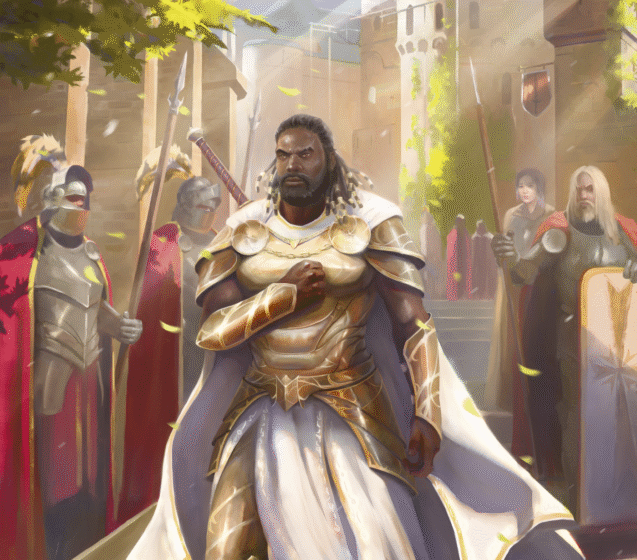

Ser Boltyn, Breaker of Dawn
Classic Constructed
The Classic Constructed metagame is presently headed off by a strong and diverse circle of five heroes shaping the format in various ways. Gravy Bones looks to overwhelm the opponent with value accrued by sticking and swinging allies turn-over-turn. Capable of dealing substantial damage when left with multiple cards, blocking fairly well, and presenting threats you must answer, Gravy Bones stands (un)alive and kicking as a true all-rounder in the format.
Kayo, Armed and Dangerous and Cindra, Dracai of Retribution are the more proactive ‘enforcers’ in the format, punishing overly reactive decks with consistent pressure and a promise that if you intend to block all game you will eventually bleed out via evasive damage or just massive numbers.
Lastly, the defense-focused decks at the top of the format are the two Earth heroes from Rosetta. Florian, Rotwood Harbinger blocks better than his Wizard counterpart, capable of stifling large turns with Face Purgatory and Felling of the Crown, as well as squeezing Barkskin of the Millennium Tree for maximal defensive potential. Verdance, Thorn of the Rose leans a tad more midrange, looking to present damage a touch more proactively than Florian and giving up some defense to do so, a luxury she is afforded by a staggering amount of incredibly difficult to interact with damage in her deck, thanks to Burn Bare and Light Up the Leaves.
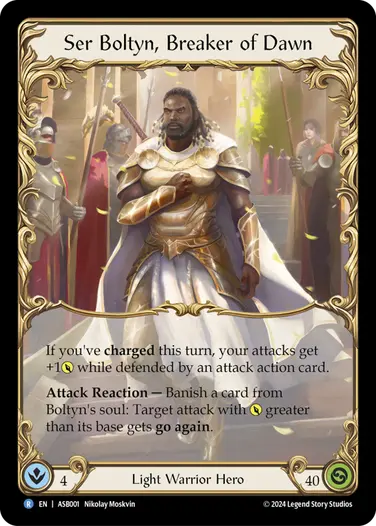
Boltyn is a proactive hero that lines up incredibly well into all of these heroes. He’s always been capable of punishing other aggro decks in races by presenting staggering numbers in a short span padded out by life gain thanks to Lumina Ascension. He’s also quite capable of managing low-action-point board state decks by clearing allies or auras with go again thanks to his hero ability, or by gaining action points thanks to Spirit of Eirina.
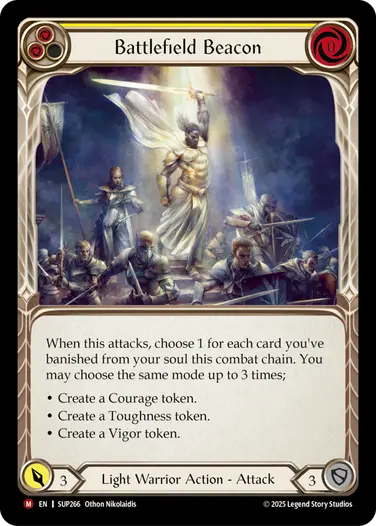
None of this is particularly new about him, but rather what is new and compelling is his ability to present a turn that is a combination of setup and pressure thanks to Battlefield Beacon. This card shifts Boltyn up massively in the Classic Constructed world and answers one of his greater mechanical issues: being a high value aggressive tool while also going over the top of defensive decks. Being able to stack up Courage tokens at the end of a multiple chain links wide turn or after cashing out on a Beacon of Victory is both a huge power play, and provides the Breaker of Dawn with a very real solution to his opponent folding their hand in defense and asking him to do it again next turn.
Playing boltyn
A fair bit less like the rest of his class, Boltyn is an aggressive deck that looks to set up a reasonable soul count using the charge mechanic attached to his attack action cards, and later cash it out for massive value. His hero textbox offers him two massive luxuries in the form of banking extra action points (one of the most powerful things you can do in Flesh and Blood), and reducing the defensive equity of his opponent’s cards to boot.
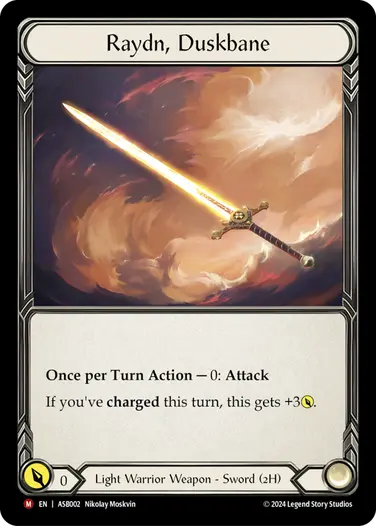
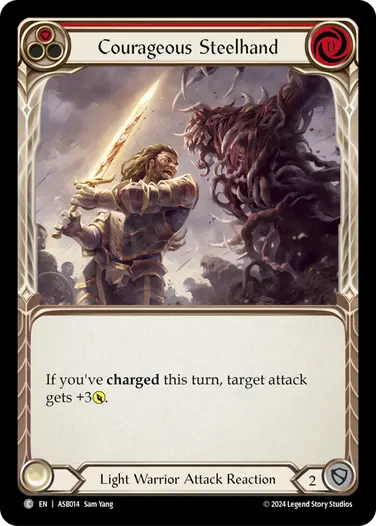
He’s a bit of an “A+B” deck, and is typically looking to start his turn with a charge attack while having a way to give it go again so he can make use of the rest of his hand. Attack reactions like Courageous Steelhand fit this role nicely, perhaps the most Warrior thing about him. Raydn, Duskbane is essentially the second half of Boltyn’s hero ability, functionally converting the worst card in your hand (the one you get to charge!) into a 0-for-3 attack with go again at the cost of one card from soul. Raydn synergizes fantastically with Boltyn and his card pool, and will always be capable of receiving go again if you’ve charged – massively increasing how frequently and efficiently your hands convert offensively. Boltyn also favors going first so he can get a card in soul, and perhaps some damage with an attack reaction.
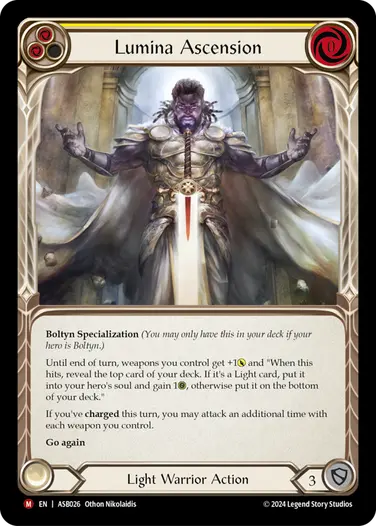
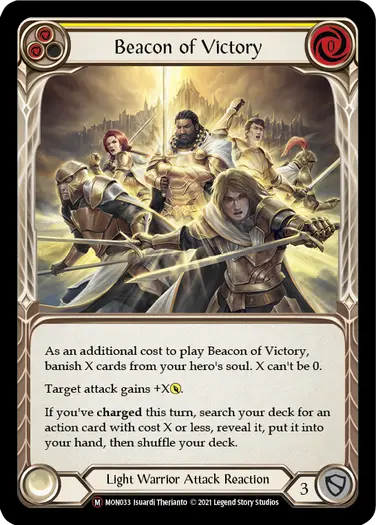
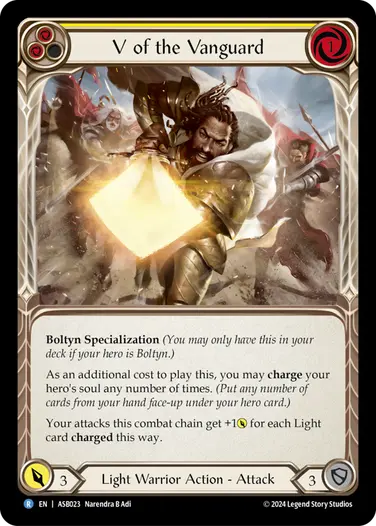
The core of his kit is a suite of four incredibly powerful cards, all allowing him to cash out his stack of soul for positive value. Lumina Ascension gives your glowing blade additional power, an extra swing (for each copy played), and a meaningful on-hit that heals you while stacking up your soul count. Beacon of Victory converts soul to damage as an attack reaction at a 1:1 rate, as well as searching your deck for nearly any card. V of The Vanguard is a bit of an unsung hero, but just as powerful as the prior two. A charger as well as an Art of War style effect in a format long since missing that card, it gives your entire combat chain +1 power for each Light card charged to soul when it attacks.
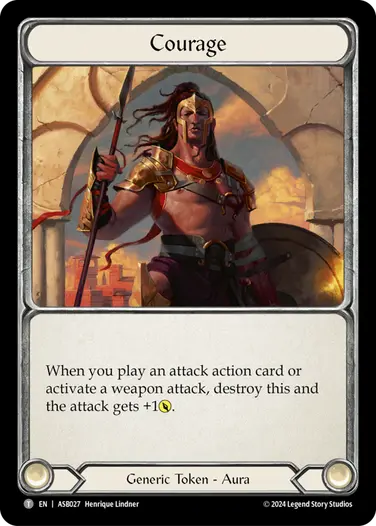
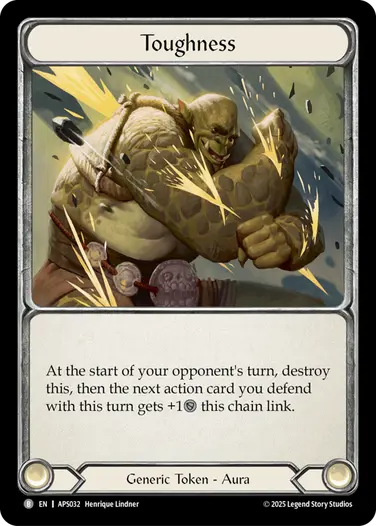
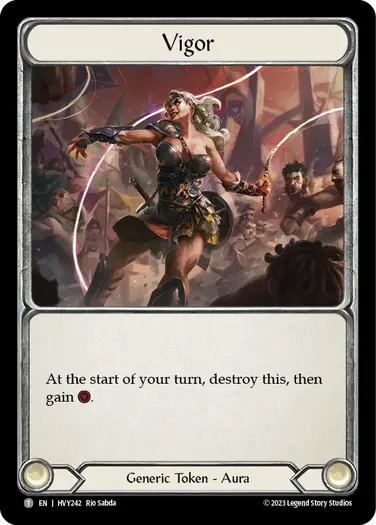
Lastly, the new piece, Battlefield Beacon creates Courage, Vigor, and Toughness tokens for each card you’ve banished from soul on the present combat chain – sometimes being so high value you’ll activate Boltyn’s attack reaction multiple times on one attack to max out on tokens. All of these cards have incredible synergy with one another, and when the deck lines up well, almost no other deck in Classic Constructed can compete.
Charge Into Battle
The core question then, is “How do we charge efficiently? What cards are the pillars of this gameplan?”
A strong suite of 27-30 charge attack actions should be the foundation any strong Boltyn deck is built upon. A high count like this obviously maximizes the frequency with which you’ll draw them, and the upside of charge as a mechanic is that if you draw more than you need, they can always fuel the fires of your soul.
Beaming Bravado is the most premium charge attack. With a base power of 3 at red, it gains +1 power if you charge a yellow with it, allowing you to give it go again with no extra hoop-jumping required. Bolt of Courage is a close second, allowing you to draw a card if it connects and you’ve charged that turn. Engulfing Light has a fantastic on-hit, going to soul if it hits and accelerating your ability to fire off soul-hungry turns.
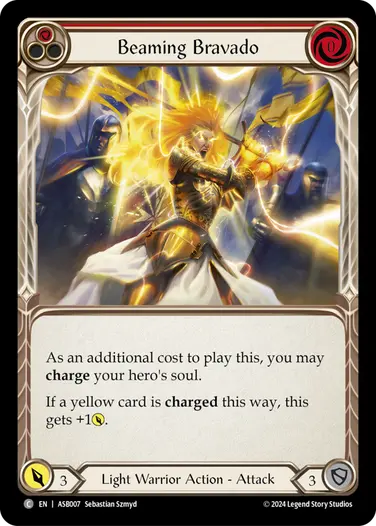
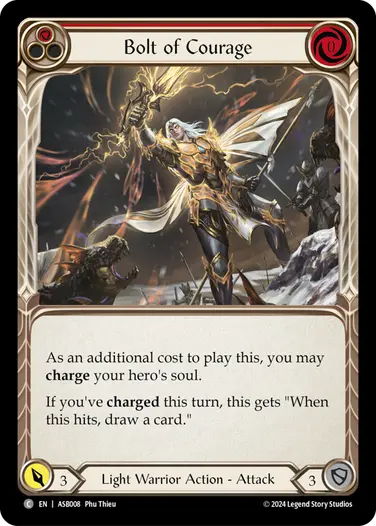
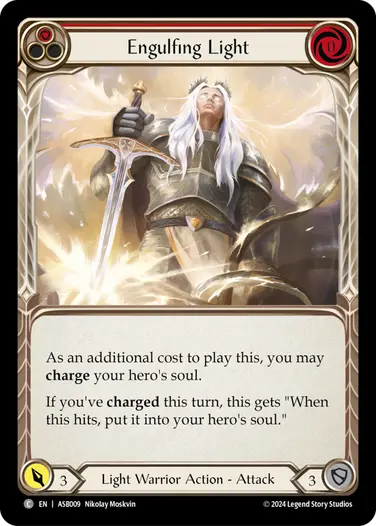
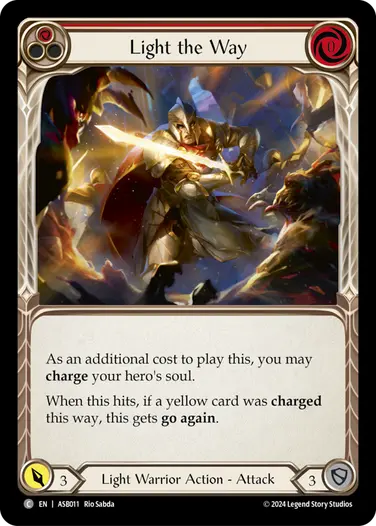
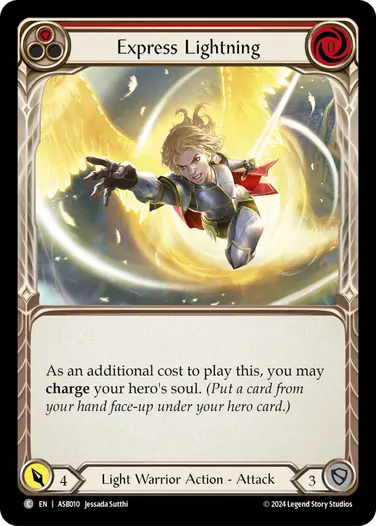
Not all charge attacks can be bangers, though, and some less-desirable cards must be included – perhaps the biggest Achilles’ heel in Boltyn deckbuilding. Light The Way is unfortunately weak to being blocked by non-attack cards when you lack a pump to back it up. Express Lightning lacks any text whatsoever, giving that up for a base rate of 4 power at 0 cost (it is however, an acceptable chain-ender), and basically any yellow charge card is included solely for consistency – rarely something you’re looking to play out.
Between the charge cards and the power plays lies a tenuous middle ground, made up of a package of 10-20 cards that function as important glue. Either supporting your main gameplan by supplementing your turns with extra value, or allowing you to cash out extra soul to do truly powerful things. Your Generic cards come and go, but typically have a ceiling on just how many you can play, due to your power plays’ reliance on Light cards.
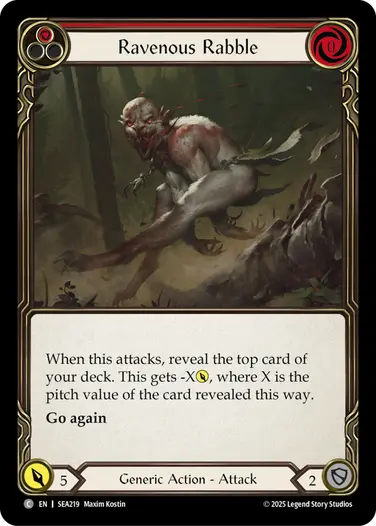
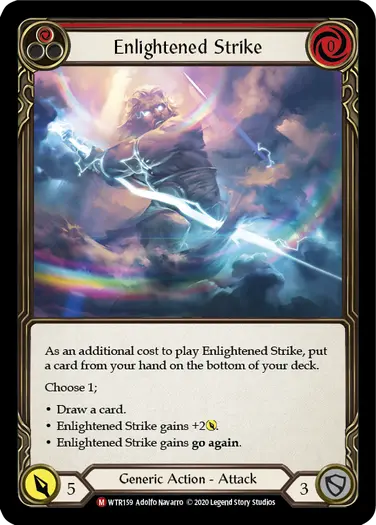
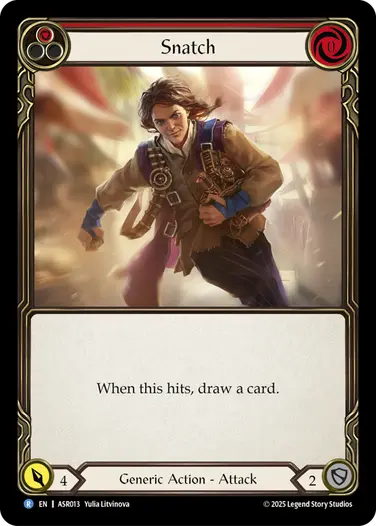
At the moment I’m quite partial to a set of 9 Generic attacks. Ravenous Rabble functions excellently in a deck that appreciates extra go again and runs no blues, Enlightened Strike is good on bad turns and bananas on V of the Vanguard turns, and Snatch is just an all-time great Flesh and Blood card.
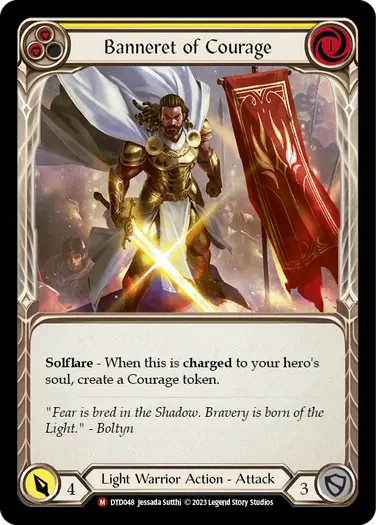
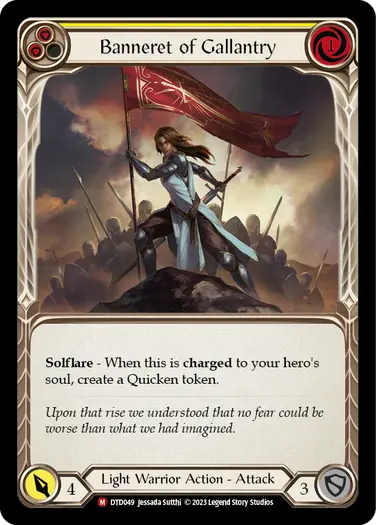
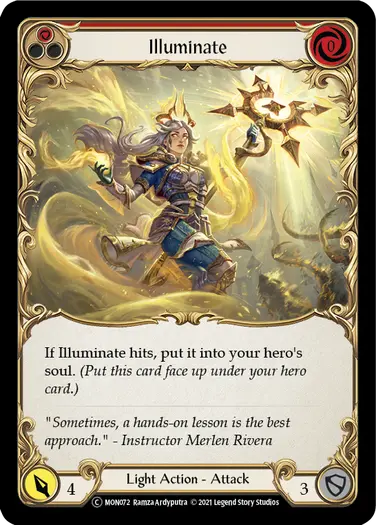
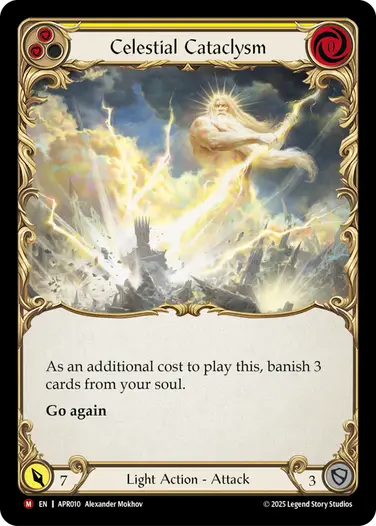
Some other glue pieces that aren’t Generic include Banneret of Courage and Banneret of Gallantry, giving you extra value when charged to your soul while also being perfectly on-rate yellow 3-defense attack actions. Illuminate is an all-star in a deck as soul-hungry as Battlefield Beacon makes you, and Celestial Cataclysm is exceptional at closing out games against defensive decks by using a huge stack of soul to go over the top! Not to mention, it’s a good one-two-punch with Battlefield Beacon.
Equipment
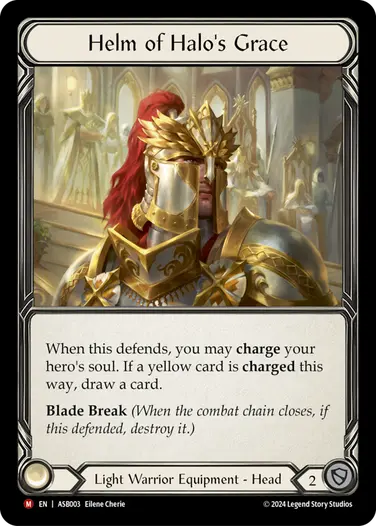
The primary suite of equipment in Boltyn is hoisted up by some fantastic pickups he got in his Armory Deck – Warpath of Winged Grace and Helm of Halo’s Grace. Both allow you to defend while getting extra cards into your soul, which is essential to taking power turns quickly. The Helm lets you charge at no card deficit to your hand, an extremely premium effect in the deck. The boots create a Quicken token, essentially worth two cards in soul as you won’t have to banish one to give an attack go again.
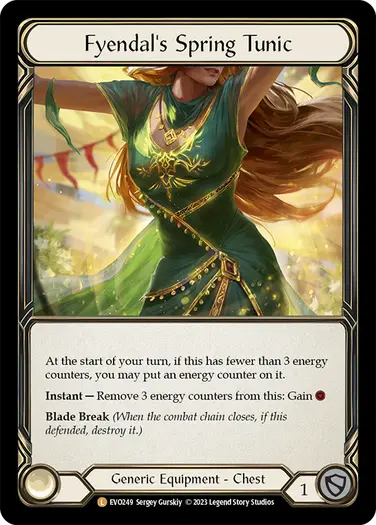
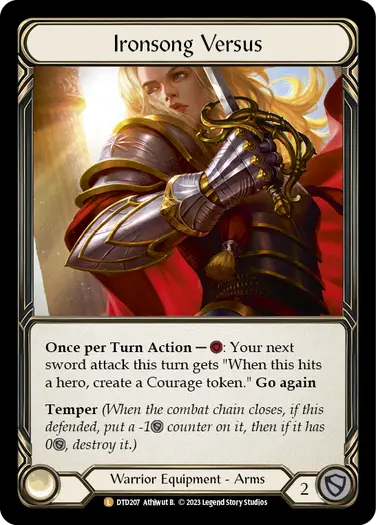
Fyendal’s Spring Tunic has earned its title as the greatest piece of equipment in Flesh and Blood well and it’s fighting to defend it here. V of The Vanguard being one of the only costed cards in the deck means Tunic has a purpose and serves it well. By covering your pitch for you on that turn, you can get an entire extra card in soul on your V turns, which not only generates extra soul but also extra value as you go wide on that chain. Ironsong Versus is a heavy hitter from Dusk till Dawn, allowing you to filter unneeded cards while creating Courage tokens. It also ensures that any Vigor token made by this deck will convert for 1 value at a minimum. It’s also difficult to understate how helpful it can be to force opponents to block by activating it.

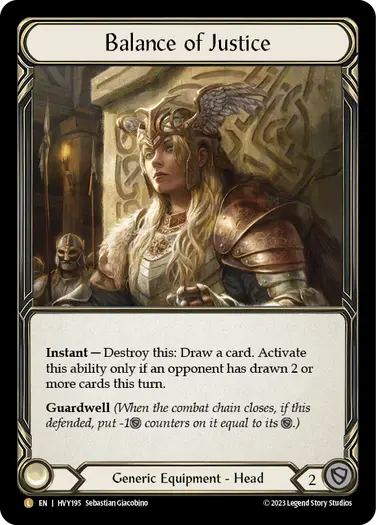
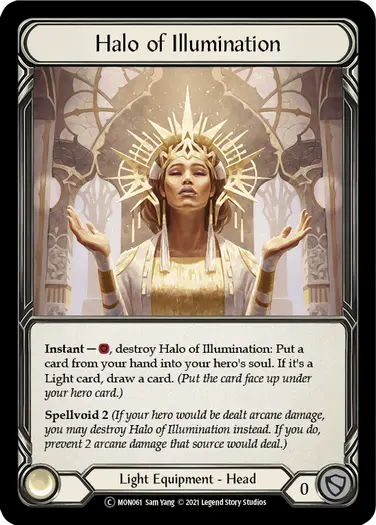
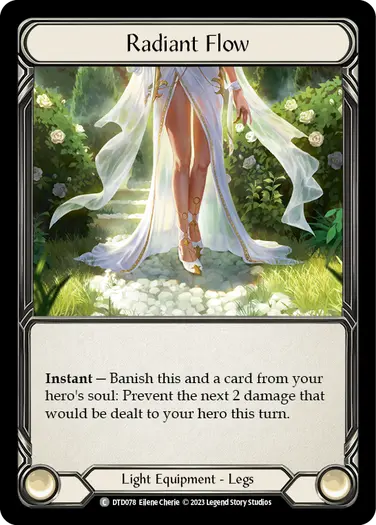
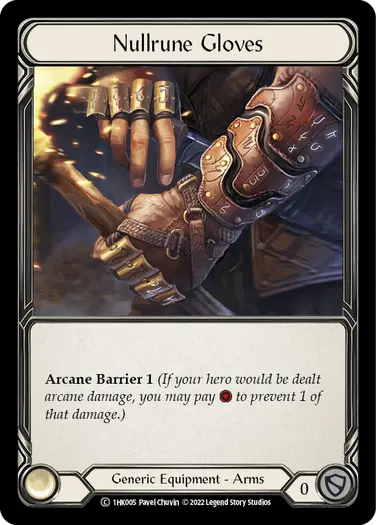
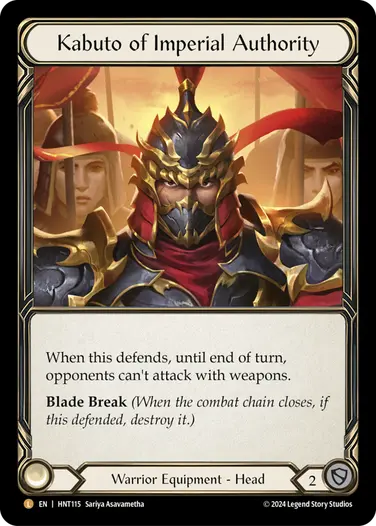
The rest of the equipment in the sideboard is all quite specific, and has direct use cases. Balance of Justice is explicitly for your Brute matchup, allowing you to fire back after their Bloodrush Bellow turns with a 6 card hand of your own. Halo of Illumination and Radiant Flow are exceptional pieces of Kano respect, affording you an essential 4 points of free prevention when they go for the Aether Wildfire combo turn. Nullrune Gloves is fantastic in that matchup as well. I advise you to never leave home without your Kano respect, it’ll do you good. Kabuto of Imperial Authority exists for the mirror, and into other Warriors as well. It’s not a card I’m particularly fond of, as it doesn’t help accelerate your gameplan much, but in a game where only one player has Kabuto – and it’s relevant, it’s incredibly difficult to make up the value disadvantage it puts you in.
Sideboarding
The following cards make up the inventory, with everything else making up the main 60:
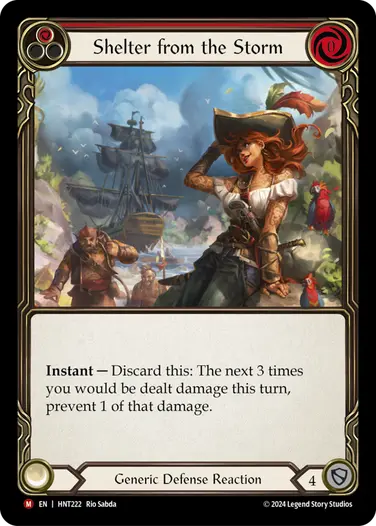
- 3x Shelter from the Storm
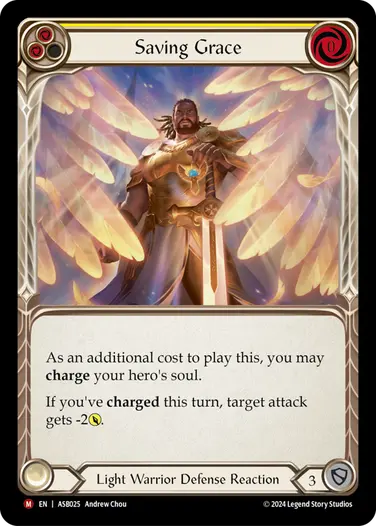
- 3x Saving Grace
- 2x Celestial Cataclysm
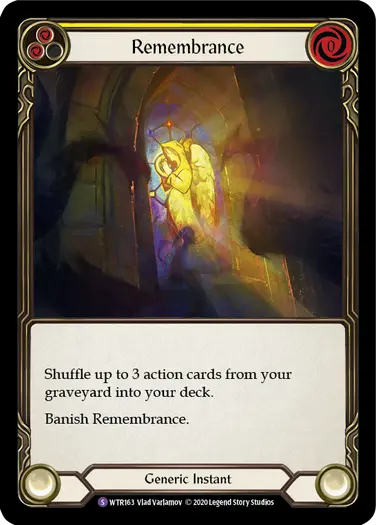
- 1x Remembrance
- 1x Amulet of Echoes

Cindra
Cindra is a matchup where a few defense reactions are a nice-to-have, and Shelter from the Storm fits that role perfectly. Capable of stifling a key Flick Knives activation as well as defending 4 from arsenal, it can be a game changer in denying Mask of Momentum at a key juncture.
This matchup is about getting Cindra to a low life total while staying reasonably healthy yourself so the unfair defending positions your hero ability puts her in start shredding her hand. This usually involves defending when needed, resolving Lumina Ascensions and/or V of the Vanguard in a timely manner, and playing small hands with on-hits to leverage her lack of armor.
Generally speaking, if you’re adding defensive tools, Ravenous Rabble should be the first card to go. Its 2 defense and slight lack of consistency can be a problem on occasion. Additionally, you can consider trying Kabuto to stuff their Wrath of Retribution turns, as I think high-rolling a Wrath turn is one of the ways she can win reliably.
Kayo
Kayo is a matchup where my main 60 doesn’t change at all, though you can feel free to try out one of the defense reactions in the sideboard to try and stuff Pulping. You’re looking to race him on damage without defending unless forced to, and to use Balance of Justice to punish his larger turns.
Finding Spirit of Eirina early is essential against Brutes, as playing Lumina Ascension at instant speed is great for stuffing Scowling Flesh Bag blocks. It’s often even worth using Beacon of Victory to find the card I’ll even ship it turn 0 going first if I have an Engulfing Light to put it on, to stay at one card in soul.
This matchup is occasionally a bit about finding your power cards quickly, but you have more ways in deck to high-roll than Kayo, and you block better in the endgame. Focusing on playing tightly and maximizing offensive value will get you there.
Gravy Bones
Gravy Bones is an interesting hero, and can really tax your understanding of how to efficiently answer a board state. You’re often looking to send on-hits from chargers into his allies to make up the value lost by having to clear them, and Light the Way is a real all-star for cleaning up zombies without costing you soul or extra cards.
Make sure to be conscious of how you split up damage between his allies and himself, so as to not leave him with too many cards to work with. Gravy’s large hands are when he’s scariest, and he can struggle to block your power turns out! Don’t be afraid to slow the game down a bit to play towards a big V turn.
Florian + Verdance
Your approach into both Earth heroes is very similar. You’ll actually want to board-up on cards to 63, bringing in Remembrance and 2x Celestial Cataclysms. Remembrance may seem a bit of a strange inclusion in such an aggressive deck, but it has a very key role in allowing you to resolve more than 3 copies of cards like Lumina Ascension and V of the Vanguard. Keeping pressure high and repeatedly hitting them in the face with your most potent threats is how you climb the mountain of these durdly monsters.
Battlefield Beacon shines the most in matchups like this, as choosing to make 3 Courage tokens three times a game can create an offensive overlap that’s very difficult for them to survive. Spirit of Eirina pulls weight here as well, and can allow you to dodge a Face Purgatory activation from Florian. Using it to line up Lumina Ascension with V of the Vanguard is essential to beating the fatigue clock. Try to maximize damage on turns they don’t want to block, and as a final note: be careful to not arsenal too much, as Plow Under can really put a wrench in things.
Others
Oscilio can be a real terror when you don’t have any way to disrupt him, so Amulet of Echoes does a lot to shore that matchup up for you. There’s only 1 copy, but you can search it off Beacon of Victory. An early Amulet combined with consistent pressure makes rushing down the Lightning Wizard a breeze.
Saving Grace is exceptional against Guardians and Assassins, especially against Confidence tokens!
Lastly, while the extra copies of Celestial Cataclysm is great for fatigue matchups, they’re also great against Prism and can shut down her biggest turns by triggering phantasm.
Bravo, Star of the Show
Living Legend
A titan of Flesh and Blood’s history, “Starvo” has run the top tables of many a tournament. However, not so long ago he ate some serious bans and restrictions with the sunsetting of Crown of Seeds in the Living Legend format. The present assumption seems to be that he’s dead and gone, but as has been the case myriad times with the hero before; I’m here to tell you that’s far from the case.
The Living Legend meta is presently dominated by proactive decks looking to present as much damage as quickly as possible, greedy deckbuilding choices, and a devil-may-care attitude towards defending. The most recent Living Legend event’s Top 8 (Battle Hardened: Shizuoka) was headed up by 8 aggressive decks, a slew of Ninja and Runeblade. Zen, Ira, Briar, Chane, and Viserai comprised this top cut, and none of these heroes have a good answer to dominated disruption turn after turn.
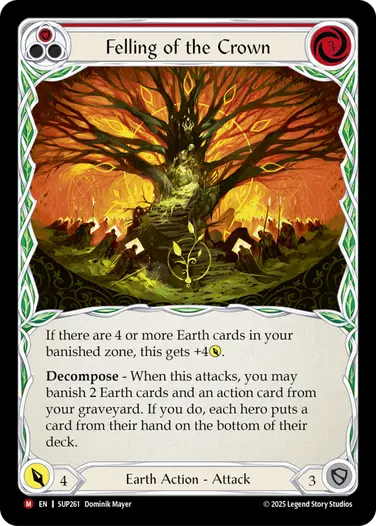
Starvo consistently picks up new cards in nearly every set, thanks to his massive card pool access and flexible deckbuilding options. He makes exceptional use of many of the heaviest hitters in all of Flesh and Blood, including the current Classic Constructed all-star Felling of The Crown.
Accommodating for a loss of Crown of Seeds means the deck must shift in a more ‘consistent’ direction, rather than having a free cycle every turn to find the necessary Elemental cards for his hero ability. Felling of the Crown, and to a lesser extent, Cadaverous Tilling, do an exceptional job at supplementing this gameplan, allowing you to keep pace on value with many decks in the format on the turns you can’t quite find an activation of your hero ability.
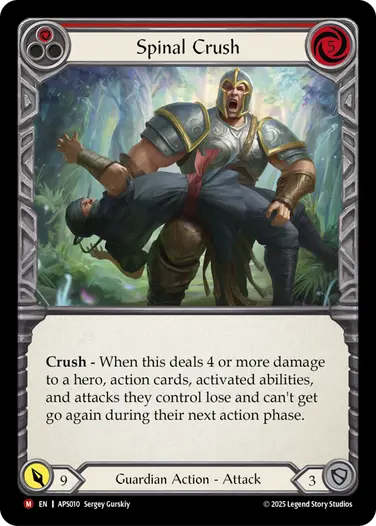
Spinal Crush also does a fantastic job of slowing down the format’s greedier decks (especially with +2 power and dominate). The loss of Carrion Husk means that Chane, who used to belligerently use that equipment as a ‘get-out-of-jail-free’ card, is safe no longer from the towering showman’s tricks – removing perhaps Starvo’s biggest barrier to returning to relevancy.
Playing Bravo
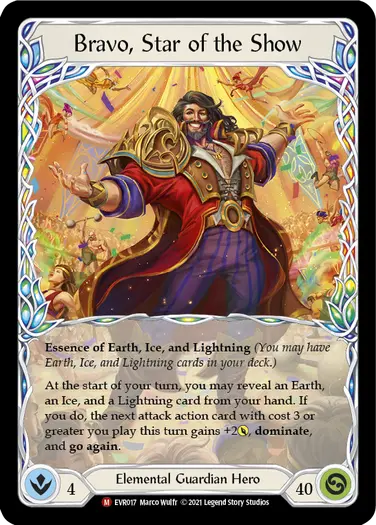
Much of Starvo’s power is compressed into his ability to reveal multiple sub-Elemental cards (Earth, Ice, Lightning) to activate his hero ability, granting his first big attack +2 power, go again, and dominate. This asks a lot of how the deck is built, forcing many Elemental cards into your deck just for the purpose of revealing them. This also, however, means that a huge amount of the attacks in his deck are built to maximize value generated by an activation of his hero ability.
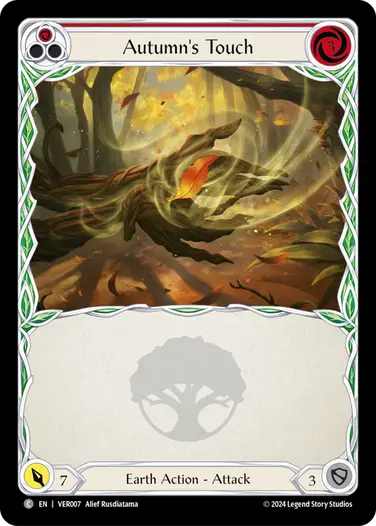
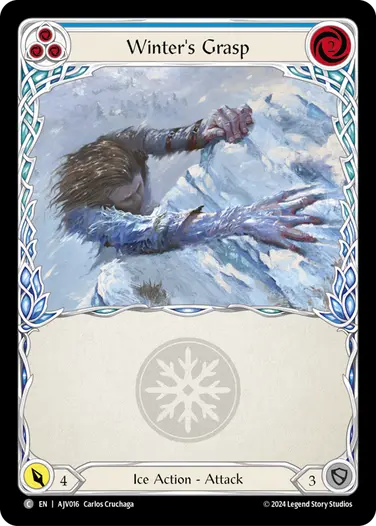
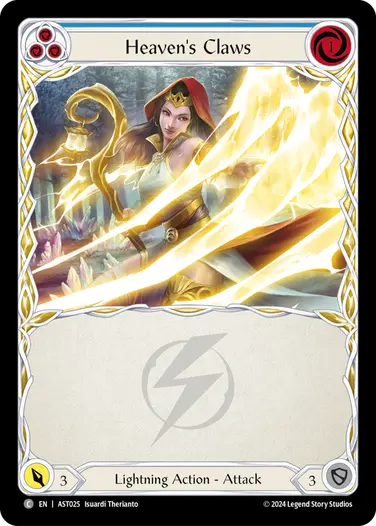
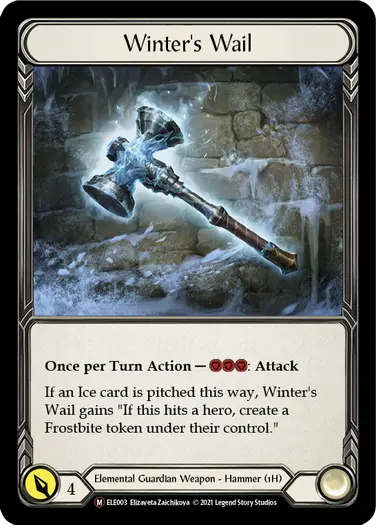
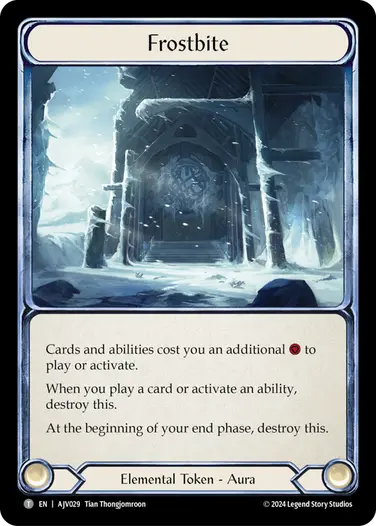
Autumn’s Touch is transformed from a green Raging Onslaught to a massive swing, followed up by a Frostbite threatened by Winter’s Wail. More disruptive on-hits like Oaken Old become terrors likely to steal an entire turn from your opponent. The hero looks to wallop the opponent with massive hero-ability pumped attacks and restrict how powerful their turn can be in doing so. Playing the deck often involves being willing to do some waiting on your hero ability to line up, and maximizing ‘value’ or defensive options in the meantime.

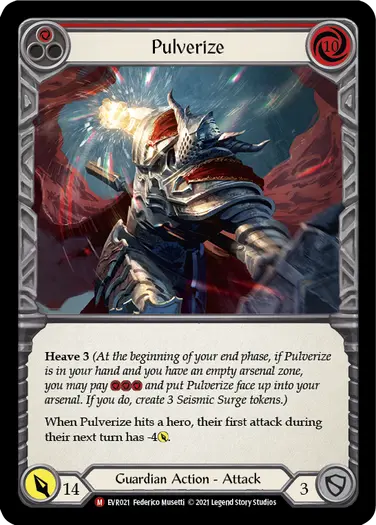
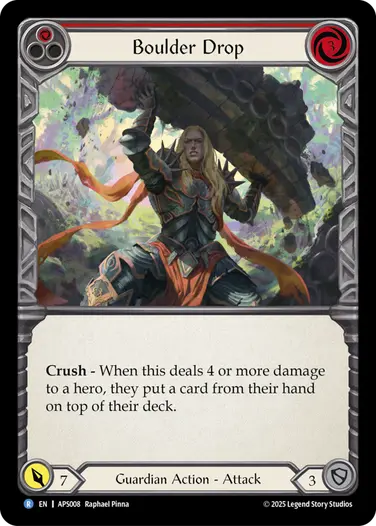
The turns that you can’t make use of your hero power are typically the bigger question marks in playing Starvo, and a decompose package with Felling of the Crown (as well as Plow Under in the sideboard) looks to help solve that issue. Living Legend is a particularly explosive format, and disrupting the opponent turn after turn is key to winning games as a deck like this. If you ever get a bit too far behind, Awakening can help bail you out by picking up a Spinal Crush, or in a real pinch, even a Pulverize. The deck also includes some ‘smaller’ disruptive attacks like red Boulder Drop, a pick up from GEM Pack 3, that allows you to threaten the opponent’s hand with fewer cards.

A Cold Open
Starvo is a hero that, without Crown of Seeds, asks you to really consider what it is your opponent is attempting to accomplish, and how you can use your incredibly flexible resource base to answer that. Your blues are packed with answers and disruption and allow you to have a fallback on the turns you can’t find something more threatening.
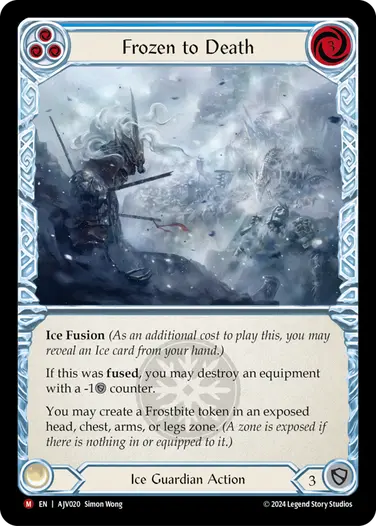
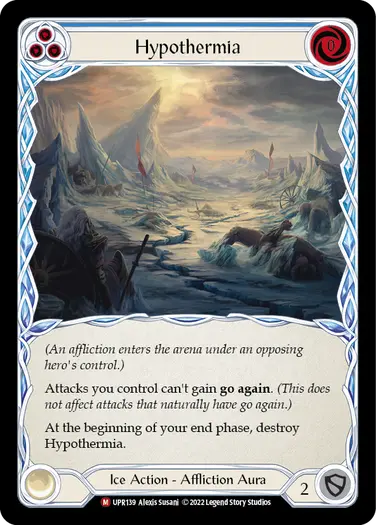
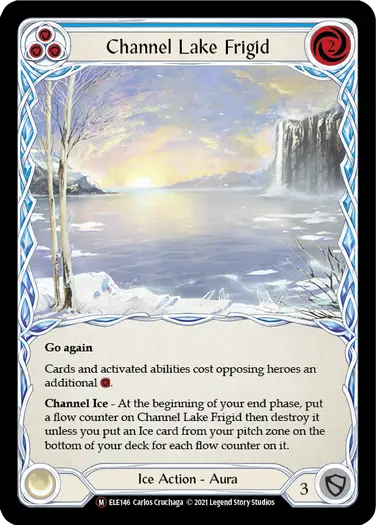
Are they heavily reliant on Rune Gate? Perhaps resolving Frozen to Death when given space can allow you to take Grasp of the Arknight off the board and limit their reach. Did Briar stick a Channel Mount Heroic and pass? Resolving Hypothermia can stop a problem before it starts. Blizzard can stop a wide turn in its tracks when an opponent is greedy or trim on resources, and Channel Lake Frigid can make it impossible for decks with precise resource curves to resolve everything they planned for that turn.
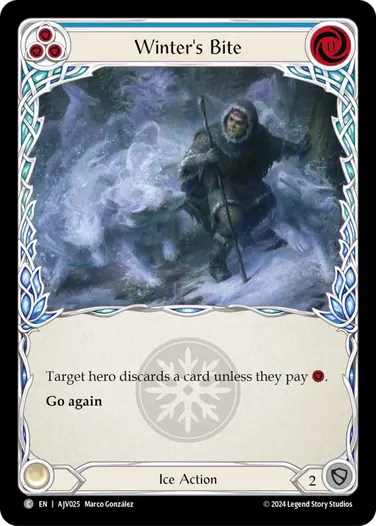
A high Ice card count allows Winter’s Wail to truly shine, and cards like these always being in the deck can minimize the damage you have to contend with while attempting to line up your reveals – even a well-timed Winter’s Bite can slow down the opponent enough. However, perhaps above all, considering your life total against aggressive decks is an important balance to keep an eye on. Don’t feel compelled to take more than a little bit of damage to line up disruption or you’ll spend the entire game trying to claw back an advantage you won’t get. As nice as forcing a card out of hand can be, a Winter’s Bite is rarely worth not blocking or covering a stack of Runechants.
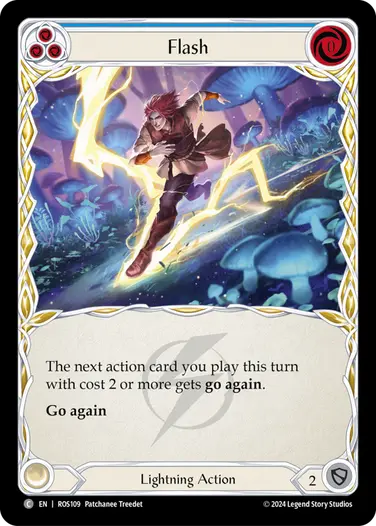
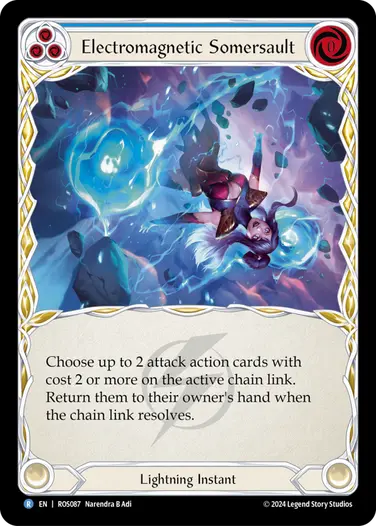
Ice cards aside, the blue base contains multiple copies of Cadaverous Tilling to push damage, and Flash can help you attack more than once when flooded with resources. Electromagnetic Somersault may be a 1 of, but even as a blue it’s one of the best defensive options the deck has. Starvo’s flexibility means his resource pool gets to be a veritable toolkit, and familiarizing yourself with it will help you find wins in those pinch hitter situations.
Equipment
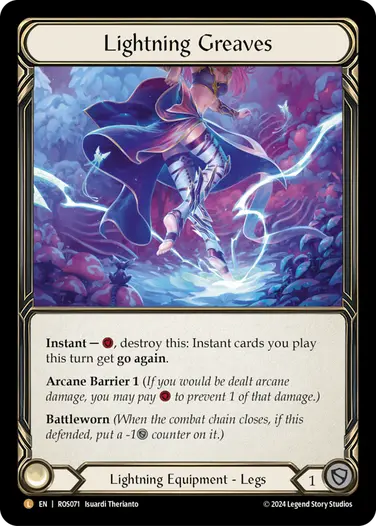
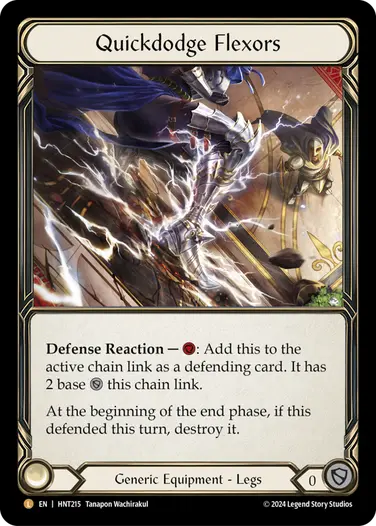
Perhaps the most attractive fact of Starvo’s huge arsenal is just how much equipment he has access to. Lightning Greaves is both Arcane Barrier and armor for your Runeblade matchups. Quickdodge Flexors may be Generic, but it shines brightly in the Elemental Guardian’s equipment zone, helping him convert some less useful blues for blocking like Blizzard into a huge amount of defensive value against go-wide opponents.
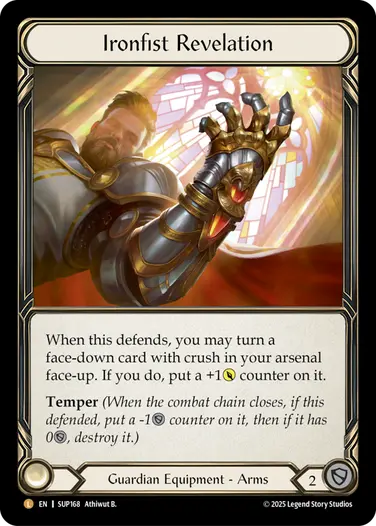
Ironfist Revelation is a great new pickup that allows you to make a crush card more threatening, and is a 5-value piece of armor in aggregate. Balance of Justice is a mainline head slot equipment in this deck, as nearly every powerful deck in Living Legend is going to turn it on for you at some point – defending for 2 and drawing you a card for nearly free is as good as equipment comes.
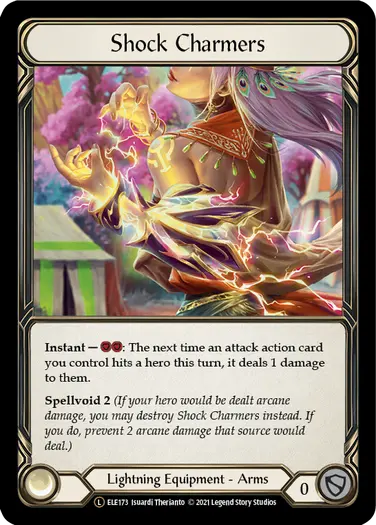
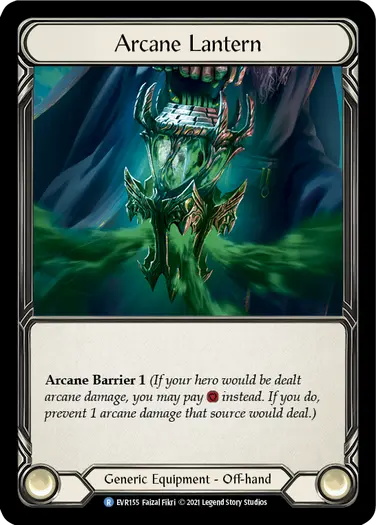
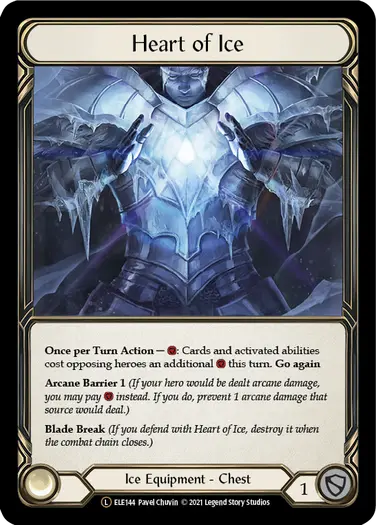
Shock Charmers, Arcane Lantern, and Heart of Ice are a downright stellar set of options to have for opponents like Kano.
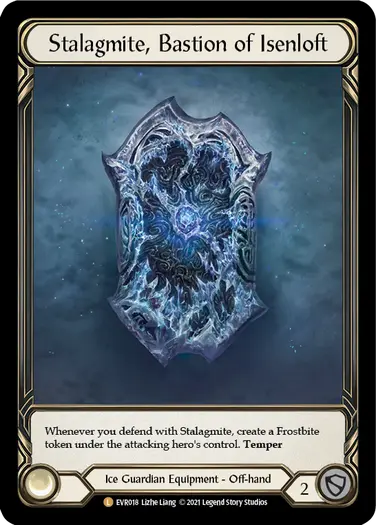
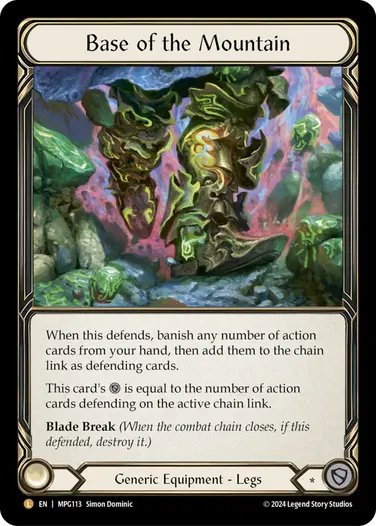
Perhaps most importantly in Starvo’s equipment suite is Stalagmite, Bastion of Isenloft; this Ice Guardian shield allows you to block twice while also giving the opponent a Frostbite. Learning to use this skillfully can take entire cards from your opponent and shut down turns before they get going. Pay close attention to how much they have floating, how many cards they have left, and how important the turn is to their gameplan. Lastly, but far from least, Base of the Mountain is exceptional in the mirror, as well as against heroes with evasive damage.
Sideboarding
The following cards make up the inventory, with everything else making up the main 60:
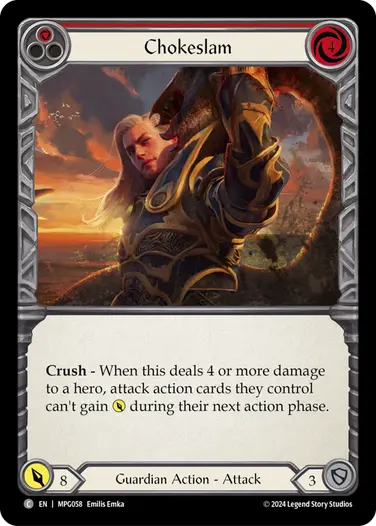
- 2x Chokeslam (red)
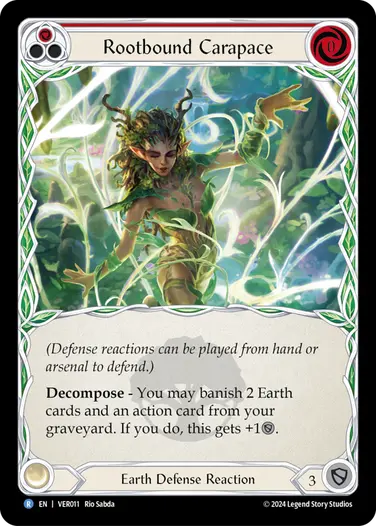
- 2x Rootbound Carapace (red)
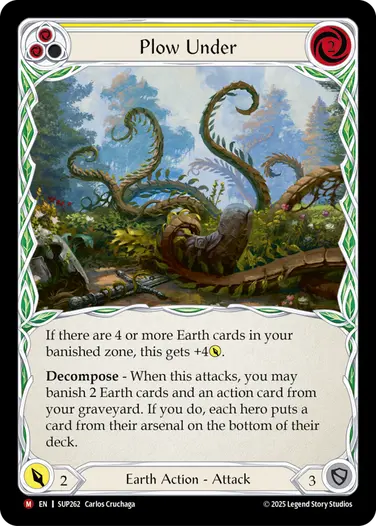
- 2x Plow Under
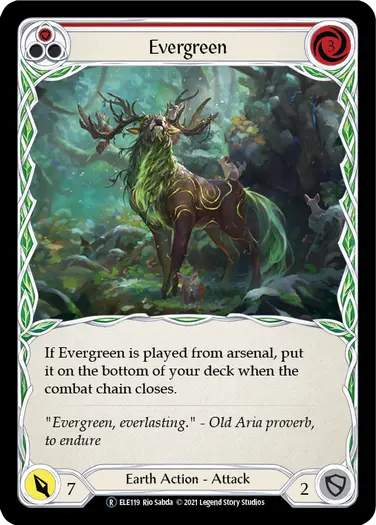
- 1x Evergreen (red)
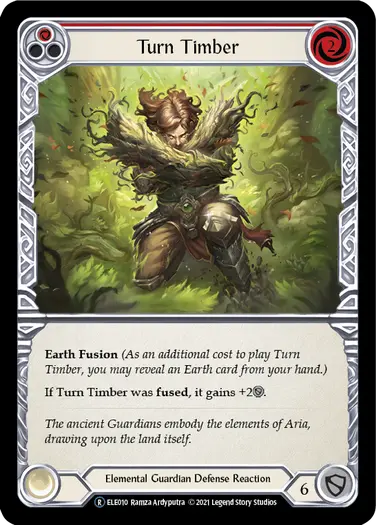
- 1x Turn Timber (red)
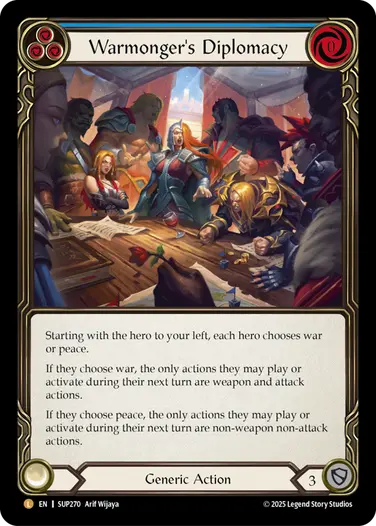
- 1x Warmonger’s Diplomacy
Chane
Chane is a classic adversary for the Star of the Show, going all the way back to Flesh and Blood’s first Pro Tour. This matchup was quite close before this format got shaken up a bit, and Chane lost access to some tools that were exceptional in this matchup.
Warmonger’s Diplomacy is an incredibly key card against the Shadow Runeblade, and you want to line it up with Chane’s 5 or 6 Soul Shackle turn to deny him the great heights his deck can reach. Plow Under and Rootbound Carapace come in for this matchup, replacing 2x Cadaverous Tilling (red) and 2x Fruits of the Forest (red), to allow you both to disrupt his arsenal (and his pitch stack at the same time) while defending breakpoints and supporting your decompose plan.
If they rely heavily on Rune Gate, Frozen to Death blowing up Grasp of the Arknight can create a lot of Blood Debt they aren’t able to clear. Preserve life total as best you can and disrupt their biggest turns when and where you can.
Briar
Briar looks to set up a massive Channel Mount Heroic turn and blow you up in nearly a single fell swoop. She’s typically somewhat low on pitch, so well-timed Stalagmite usage can be really key in slowing her down so you can take the game over with disruption.
Swapping 2x Cadaverous Tilling (red) out for 2x Chokeslam is an exceptional tech piece here, allowing you to force blocks lest her Channel Mount Heroic generate next-to-no value whatsoever. Channel Lake Frigid really shines in this matchup, and good usage of Pulse of Isenloft does well to counter her scariest pop-off turns. Hypothermia also does a lot of work against this hero, as she has little natural go again and relies heavily on Embodiment of Lightning to get going. Warmonger’s Diplomacy is worth including for any blue you don’t feel strongly about, just like the Chane matchup.
Zen
Zen is a deck looking to cash in all of his gear at once to power an absolutely massive Art of War pop-off turn. Chokeslam is again quite helpful in this matchup, as is proper Stalagmite usage. Your biggest, most threatening attacks punish Zen effectively, as he’s looking mainly to just use his armor on a single turn, and his deck is quite full of non-blocking Chi instants and 2-defense Ninja cards.
Punish his low defense value with huge go again threats into Winter’s Wail and put him in a position where he has to go off before he’s happy to, and this matchup will fall squarely in your favor. Quickdodge Flexors is at its absolute best in this matchup, capable of converting often two entire blues for defensive value on Zen’s pop-off turn, completely stifling a huge amount of his offensive advantage.
Viserai
While your mainvdeck likely won’t change, Viserai can present multiple gameplans against you, which is perhaps the most significant axis this matchup plays on. Many Viserai decks are nearly fully aggressive, and the Viserai players that want to simply run at you will find themselves climbing an unscalable wall – covering Runechants with blues saves you life without taking cards out of your deck, and aggro Viserai decks are often soft to disruption.
The more challenging way this matchup can go, however, is when Viserai presents a large suite of defense reactions and looks to stack you to death. When you find that Viserai is attempting to set up this huge stack of Runechants, you should be pivoting into a beatdown plan. Leverage cards like Flash and Current Funnel to go wider than normal, and try to present enough dominated damage that he has to send his stack of Runechants before he’d like to.
Others
A couple more small sideboard notes to touch on are primarily Turn Timber, a 1-of that is exceptional in the mirror. Sitting on this card to stifle one of Starvo’s bigger activation turns can buy you a window back into the game from behind.
Evergreen is also a fantastic option against fatigue decks, as you have an infinitely recursive 7-power attack, allowing you to send 7 every other turn in a full fatigue scenario, with 4 power hammer swings laced between them.
GET IN THE RING!
This season marks the first opportunity for a Pro Quest to run with the Living Legend format, and I’m really excited to see how the format evolves and develops. I believe Starvo is a fantastic choice for exploiting an aggro-heavy metagame – especially when rumors of the hero’s death have been greatly exaggerated.
On the Classic Constructed side, Boltyn is a hero I’ve advocated for for a long time, and to see him in such a strong position that I feel I can earnestly recommend him to attack the metagame warms my heart. From a scrappy underdog standing in the spotlight for the first time to the hero embodying the idea of striking a comeback blow, the Super Slam spirit is in full swing this Pro Quest season!
Get out there, get in the ring with the new tools you’re armed with, and perhaps you’ll find yourself in Yokohama!