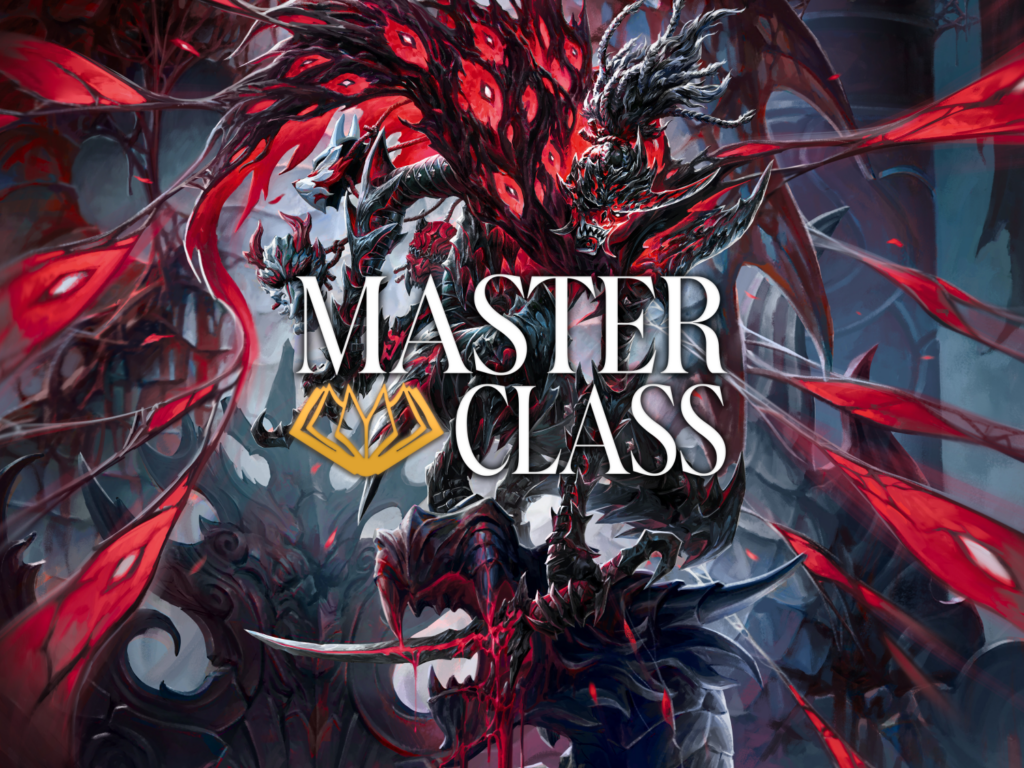
Learn from the best with a monthly Masterclass lesson from renowned pro player Yuki Lee Bender. This month, Yuki’s bringing you a full comprehensive guide to playing Arakni, Marionette! This terrifying masked killer is the most popular Assassin in the game right now, borrowing new cards from Armory Deck: Arakni (the other one!) to strengthen their web of deceit!
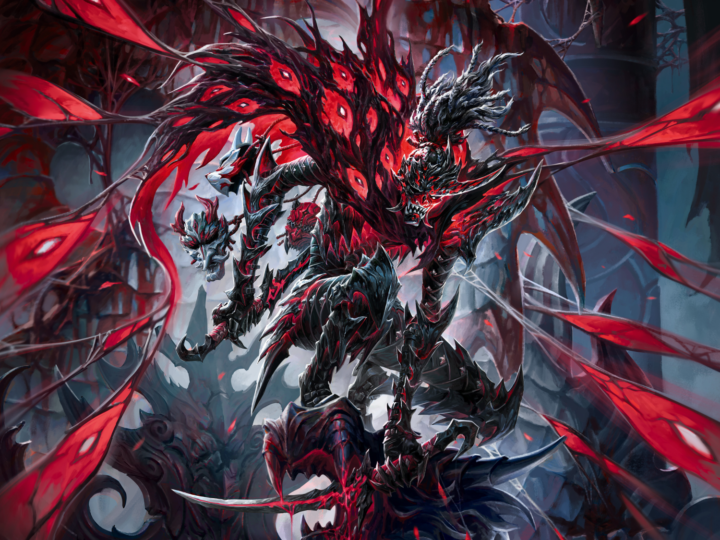
Arakni, Marionette was a bit of a late bloomer in the Super Slam Classic Constructed metagame, but started to establish themselves as a top contender at World Championship: Philadelphia, then received additional support in the form of Armory Deck: Arakni (although ‘Slippy’ was the featured hero in that deck, those cards are all playable in this hero). Arakni, Marionette had consistent strong performances and an incredible win rate, and in anticipation of becoming too powerful, received hits in the last Banned and Restricted Announcement, being cited as likely the best deck in the format. However, even after Orb-Weaver Spinneret (Blue + Yellow) were banned, Arakni has enjoyed good success in the metagame, with 2nd place finishes in both Calling: Hong Kong and Calling: Akihabara. As we move through Road to Nationals season and into the upcoming release of Compendium of Rathe and Pro Quest: Las Vegas, Arakni looks to be a top contender. With a robust card pool, Arakni decklists always seem to find the right tools to get the job done, regardless of their opponent. This article will discuss everything you need to know about Arakni, Marionette, including – the value of marking, the Agents of Chaos, how to leverage daggers for both attacking and flicking, optimal equipment usage, card choices, deckbuilding options, sideboarding, how to play against the deck, and metagame positioning.
a few Arakni – why Marionette?
Arakni, Marionette has a powerful edge over the other Assassins due to their ability to push very efficient and hard to block damage on their dagger attacks, while also having access to disruptive attacks to finish off the turn and keep their opponents off balance. The combination of attack reactions (including the Agents of Chaos) and disruptive finishers keeps opponents guessing and makes defending against this hero extremely challenging, even for seasoned players. Arakni can be thought of as an aggressive deck that has attack reactions and just a small sprinkle of disruption.
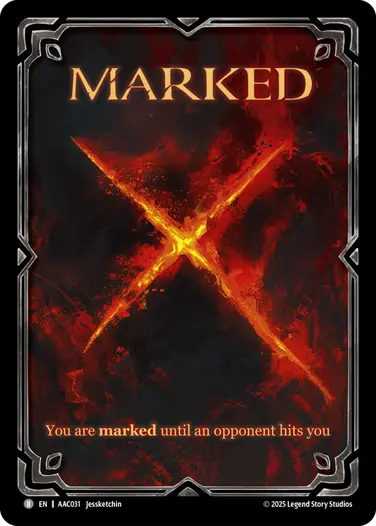
Mark your prey
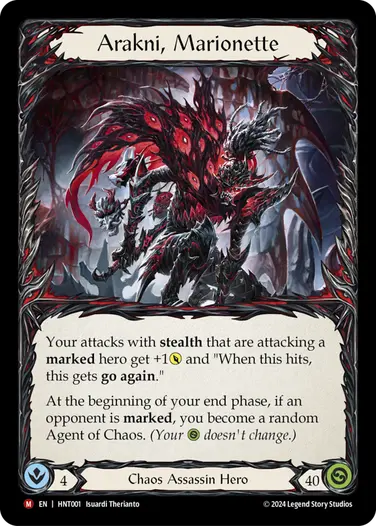
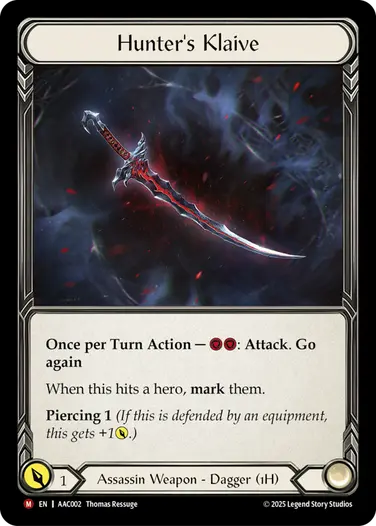
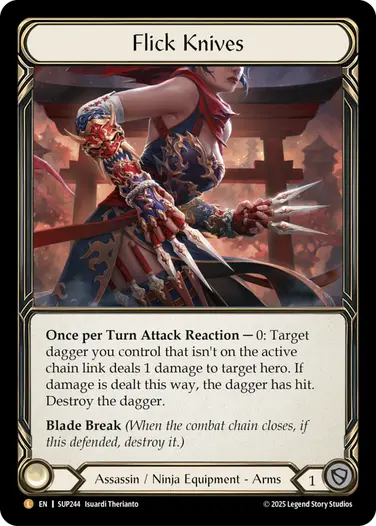
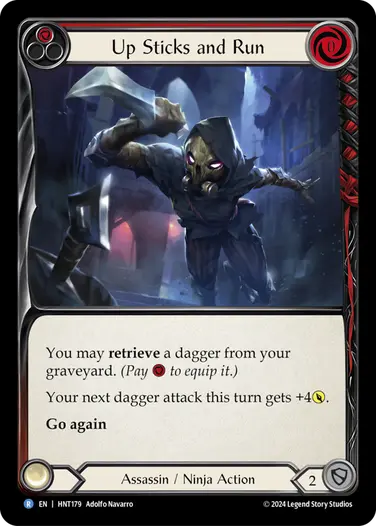
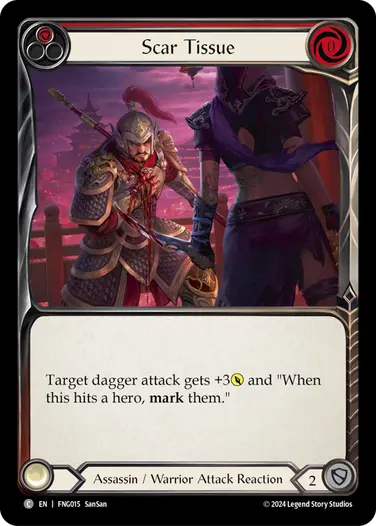
Arakni’s hero ability, as well as many of their most powerful cards, are reliant on the opponent being marked, meaning that finding the best ways to mark opponents and ensure they stay marked is paramount to success. As such, Hunter’s Klaive and Flick Knives are an essential part of our equipment loadout, offering onboard ways to mark, especially in conjunction with Up Sticks and Run, as well as Pick Up the Point for access to additional daggers. Additionally, our deck is crammed full of effects that mark efficiently, including Scar Tissue, Cut from the Same Cloth, Relentless Pursuit, Reaper’s Call, and Lair of the Spider.
With all this emphasis on marking the opponent, we might wonder what the value of being marked is in a numerical sense. On the surface, a mark should generally be worth at least 1 if we are able to threaten a stealth attack, and even more if we can threaten multiple. Additionally, transforming into the Agents of Chaos can have variable effects that depend on the hand, but are overall generally quite powerful as they can help you transform extra cards into damage, add additional on-hits, attack with Graphene Chelicera for free, or search for an extra defending card with potential additional effects. With so much variation, it’s very hard to give a concrete number, but I would guestimate that a mark is worth about 1.5 value on average, but can be worth more or less depending on the specific circumstances.
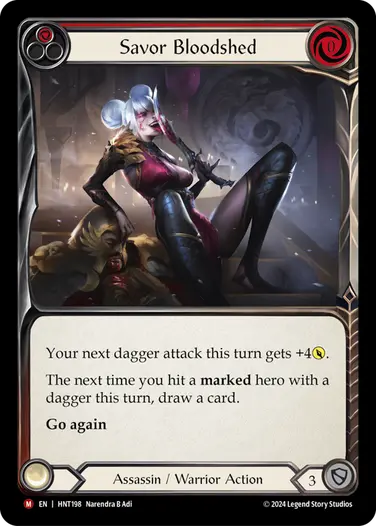
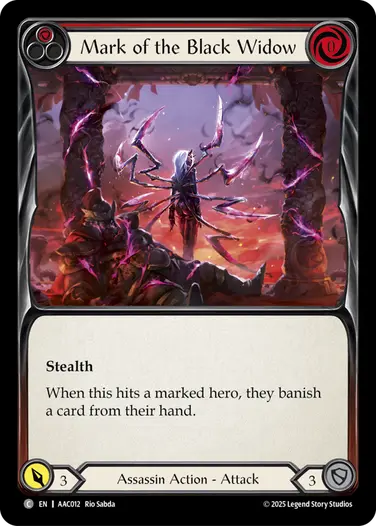
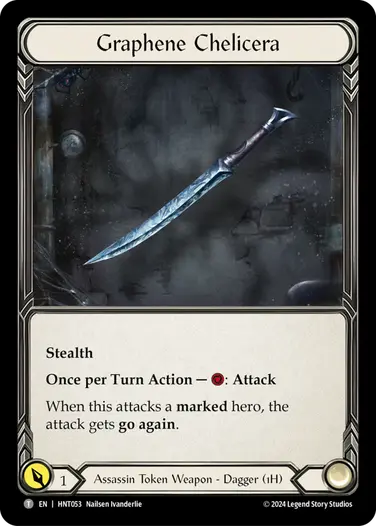
In addition to Arakni’s hero ability offering +1 power and go again on hit, marking carries additional value from certain cards which care about the opposing hero being marked. Graphene Chelicera get go again when attacking a marked hero, Savor Bloodshed draws a card the next time a dagger hits a marked hero (which includes Flick Knives), and Mark of the Black Widow forces your opponent to lose a card from hand. Of these effects, Savor Bloodshed is the most powerful, followed by Mark of the Black Widow, and then finally Graphene Chelicera. Just remember that marking opponents outside of swinging Hunter’s Klaive is a fairly limited resource, so just because we have a mark payoff doesn’t mean we have to flick our Klaive. Going off of the first Klaive too early in a matchup has a real cost, and can be extremely punishing. Instead, we should be looking for a few opportunities per game where we think our mark will give us the highest value. Additionally, we generally want to avoid flicking our last Hunter’s Klaive until quite late in the game, generally sub-15 life.
Agents of Chaos
A powerful and interesting part of Arakni’s hero ability is the transformation at end of turn into a random Agent of Chaos. These temporary demi-heroes all have different effects but can broadly be grouped into three categories:
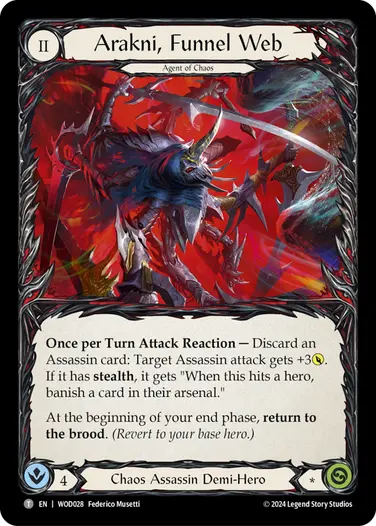
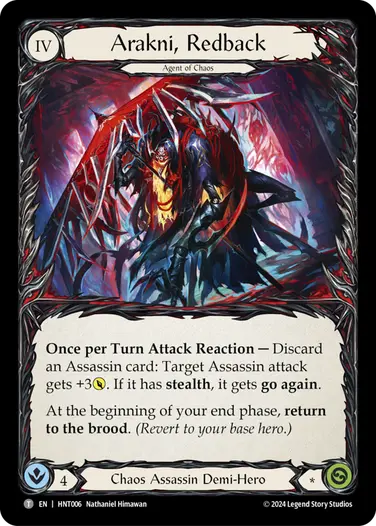
- Black Widow (I), Funnel Web (II), and Redback (IV) can buff any Assassin attack as a reaction, with bonus effects for stealth attacks.
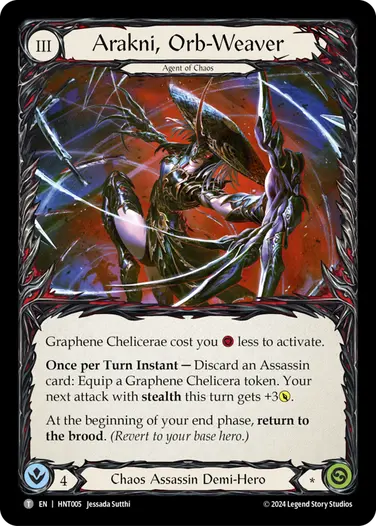
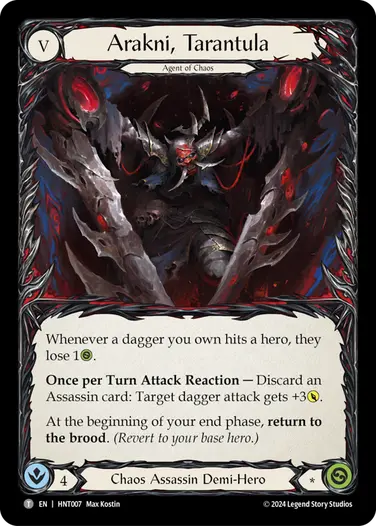
- Orb-Weaver (III) and Tarantula (V) can buff only stealth or dagger attacks respectively.
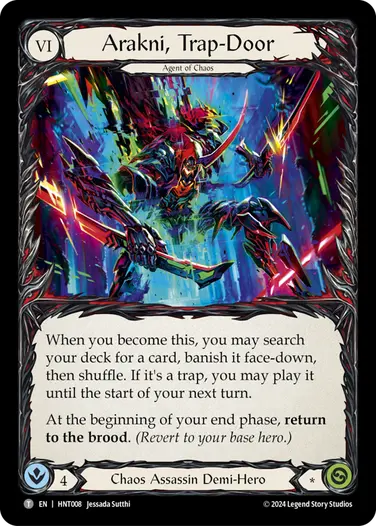
- Trap-Door (VI) doesn’t allow you to convert extra cards into damage, but lets you search for a trap to play.
The first category of agents: Black Widow, Funnel Web, and Redback all share the ability to discard an Assassin card as an attack reaction to give any Assassin attack +3 power, with a bonus effect if the attack has stealth. Of these effects, Black Widow is generally the most powerful, as taking cards from hand is a very universally powerful effect. Redback can be nice against decks that want to defend, or at low life totals to make opponents guess whether you are planning to go very tall with multiple reactions on one attack or go around them with Redback’s ability. And Funnel Web is generally the most narrow, as opponents will usually simply empty their hand when they see you have flipped into Funnel Web, or alternatively they will arsenal something safe like an instant or a defense reaction. However, there still are situations where the arsenal disruption can be very meaningful, such as if they were planning to arsenal a powerful card and they don’t have the action points or resources to convert it. Additionally, the ability to convert any Assassin card into damage is still very strong. It’s worth noting that while the bonus effects only work on stealth attacks, these reactions can target any Assassin attack, meaning they can still threaten +3 power on Leave no Witnesses or Death Touch, which is not normally something we can threaten outside of Shred.
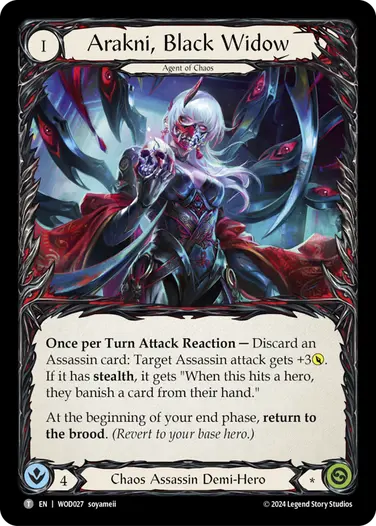
The next category of agents, Orb-Weaver and Tarantula, still offer excellent hand compression by allowing us to convert awkward cards into 3 damage without using an action point. However, they are more narrow than the agents in the first category, as Orb-Weaver’s effect only buffs attacks with stealth, and Tarantula’s effect can only target dagger attacks. Orb-Weaver is often one of the most powerful forms due to its ability to generate a Graphene Chelicera and attack with it for free, and since the buff works on stealth attacks it can also be used to send a large Mark of the Black Widow or Meet Madness for disruption. Tarantula is one of the least flashy agents, but the life loss on dagger damage really adds up, especially if we are able to use Flick Knives or Pain in the Backside to threaten additional dagger hits. Tarantula can be extremely threatening at low life totals.
Finally, Trap-Door doesn’t offer us any additional ways to convert the hand, and perhaps is the biggest outlier of all the agents. Trap-Door simply allows us to search for a card to banish face-down, and if it’s a trap we can play it. While not offensive in nature, this agent is one of the most powerful alongside Black Widow and Orb-Weaver, due to it literally just generating 3 extra defense value. The downside, of course, is that your next turn will be weak offensively unless you should choose to use Mask of Deceit to transform into a different agent entirely. But make no mistake, Trap-Door is incredibly powerful!
Pick up your daggers
Arakni is a dagger focused deck that starts with two Hunter’s Klaives in play. Despite Klaive being a dagger and the aforementioned emphasis of marking the opponent, paying 2 resources for 1 power with go again isn’t exactly a great deal. Even with two of our 0-for-4 pumps, Hunter’s Klaive comes out to be a respectable but unexciting 3-card-9 with an on-hit.
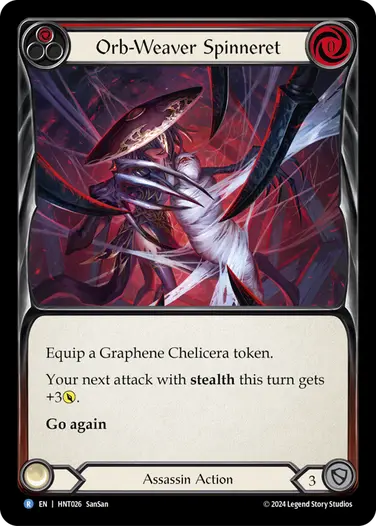
Here enters the importance of Graphene Chelicera tokens, which can be generated with either Orb-Weaver Spinneret or Arakni, Orb-Weaver. I will refer to these daggers as Chelicerae for plural or Chelicera for singular. One major benefit of Chelicerae is that because they cost 1 resource, they give us an easy way to spend all 3 resources should we choose to pitch a blue to swing Klaive. The stealth typing on the dagger also means Arakni also gives the Chelicera +1 power, meaning that if we swing Klaive, mark our opponent, then swing Chelicera, we now have 3 resources for 3 power with go again, which is much more efficient than just swinging a Klaive on its own. Additionally, Chelicerae can lead to many of our most efficient dagger turns, as we can eliminate the need to pitch entirely if we are Arakni, Orb-Weaver, or if we have a Tunic counter available. On these pitchless Chelicera turns, two 0-for-4 pumps is an incredibly efficient 2-card-9, which is the same output for an entire card less than just swinging Klaive!
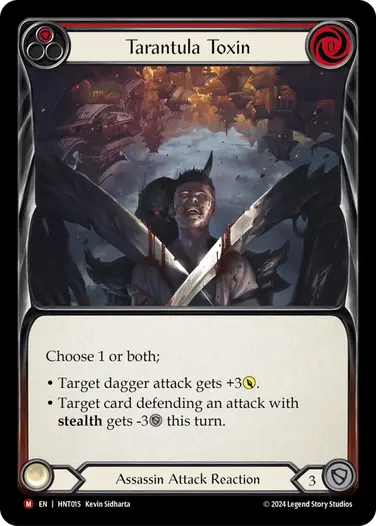
Another major benefit of the Chelicera is that it is a stealth attack, meaning it gets +1 power if our opponent is marked and we are Marionette, it gets on-hits from agent effects like Arakni, Black Widow, and can be targeted by Stains of the Redback. Additionally, Tarantula Toxin can be used for both the +3 power and the -3 defense modes making it into a whopping 0-for-6 attack reaction should our opponent defend. The existence of Tarantula Toxin helps reinforce the hard-to-defend nature of Arakni’s damage, since most opponents who are familiar with their bag of tricks will be wary of defending Chelicera attacks. Because of this, Tarantula Toxin is especially potent when opponents are at low life and have to defend, or against decks that want to defend. By extension, it can often be very powerful to choose to save a Tarantula Toxin for arsenal when the opponent is roughly one turn away from being at must-defend life totals.
However, despite all the upsides, Chelicerae lack go again unless the opponent is marked, meaning that double Chelicerae are very hard to leverage, and our ideal dagger set up is generally to have 1 Klaive and 1 Chelicera, to allow us to comfortably convert a blue into damage. Because having access to a Chelicera is so essential to Arakni’s gameplay patterns, it can frequently be correct to block with Mask of Deceit against a marked opponent to deterministically transform into Arakni, Orb-Weaver as early as the second turn of the game, should we not roll a 3 when transforming or draw into one of our Orb-Weaver Spinnerets.
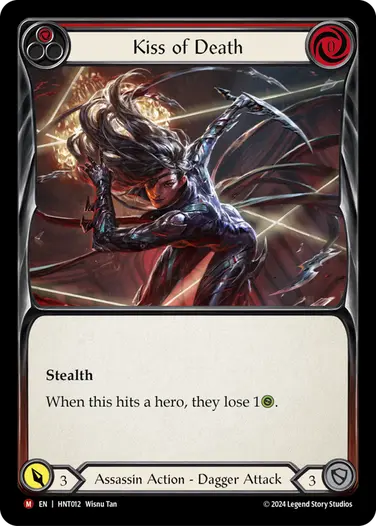
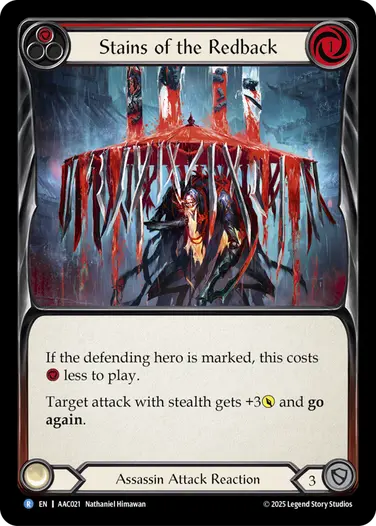
Now that we have sung the praises of Chelicerae, it should be easy to understand the power of Kiss of Death, as it also has the unique combination of stealth keyword and dagger typing, while also being an efficient 0-for-3 attack with lose 1 life on-hit. However, the power of Kiss of Death in this deck doesn’t stop there. Because Kiss of Death is a dagger attack, so long as it is on the combat chain and not the active chain-link, we can use Flick Knives to flick it for a bonus 2 damage (1 from Flick Knives, 1 from Kiss of Death’s on-hit triggering again). Unlike Chelicerae, if we give Kiss of Death an on-hit and flick it, the on-hit will still apply. The most common use-case for this is activating the Arakni, Black Widow agent ability to give Kiss of Death on-hit banish a card from hand, then give Kiss of Death go again with Stalker’s Steps or Stains of the Redback, and then flick Kiss of Death on the following chain link to trigger on-hit lose 1 life and on-hit banish a second card from hand! These play patterns do not line up every game, but are amongst the most powerful things the deck can do. Using Mask of Deceit when the opponent is marked to transform into Black Widow and facilitate this play is always worth it. One of the biggest reasons I chose to include Take Up the Mantle in the decklist, outside of just having greater access to disruptive stealth threats, is to enable the Kiss of Death + Black Widow interaction described above.
Managing daggers
One of the most fun and challenging parts of Arakni is managing your daggers and choosing when and where to use Flick Knives on them. Generally, our first Hunter’s Klaive can and should be flicked fairly aggressively, often even on the first turn in faster matchups, so long as we are sure our opponent will end the turn marked. The reason for this is that it allows us to open a weapon slot for a Chelicera token should we draw Orb-Weaver Spinneret or transform into Arakni, Orb-Weaver naturally. Ensuring our opponent is marked also means that we can defend with Mask of Deceit quickly to force the Arakni, Orb-Weaver transformation and gain access to our Chelicera almost immediately, which is a very common and powerful play pattern in dagger focused decks. Stealth-heavy decks, especially ones playing Take Up the Mantle and even blue Mark of the Black Widow, may wish to be slightly more conservative with their flicks and use them more for disruption, as they are less reliant on getting a Chelicera token quickly.
Outside of the first Klaive, things get far less clear. Generally, whenever we play Orb-Weaver Spinneret, we want to find a way to sequence the turn that allows us to flick the Chelicera we have and then make a new one to maximize value with Flick Knives. However, make sure that when you make these plays you aren’t accidentally unmarking your opponent when you have a powerful effect like Savor Bloodshed or Mark of the Black Widow.
Equipment
Hunter’s Klaive
Despite being inefficient to swing on its own, having on-board mark both as a weapon attack and in conjunction with Flick Knives makes Hunter’s Klaive the easy weapon of choice for Arakni. Flicking Klaive is one of the most reliable and efficient ways we have to mark our opponent. Klaive into Chelicera also very neatly uses 3 resources and is our most desired dagger setup.
Flick Knives
Flick Knives is an incredibly powerful piece of equipment, as it allows us to mark opponents with Klaive on demand, and also allows us to get extra damage out of our Chelicerae and Kiss of Deaths, to whittle down our opponent’s life. While powerful, don’t be afraid to defend with Flick Knives in he midgame if there is a crucial on-hit and we already have a Klaive and a Chelicera. Arakni is not nearly as reliant on having Flick available in the endgame as a deck like Cindra. However, Flick Knives is still a very effective tool for helping Arakni close games.
Mask of Deceit
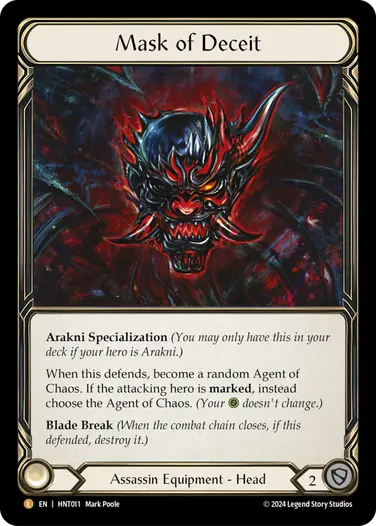
Mask of Deceit is an incredibly powerful head piece, as getting to defend 2 in addition to picking the best agent for the job offers a huge amount of flexibility. Most frequently, I find myself transforming into Trap-Door for some extra defense value (especially if we think we can Inertia Trap to nab their arsenal), or Orb-Weaver to either get our Chelicera or to simply be able to swing Chelicera for free on a hand full of dagger pumps. The other agent worth mentioning is Black Widow, as it can help us convert cards offensively and generally has a more desirable effect than the other options. Additionally, Black Widow can be extremely powerful when combined with Kiss of Death, as mentioned earlier. I rarely if ever find myself electing to transform into Funnel Web, Redback, or Tarantula, not because they are bad or anything, but because the other agents are generally more useful more often.
The other use-case for Mask of Deceit is to defend for 2 when the opponent is unmarked, allowing us to transform into a random agent. This isn’t the most ideal way to use it, but it can come up, especially later into the game. When evaluating if its worth defending with Mask of Deceit for a random transformation, I like to consider how many of the agents would be good for me in any given situation. The larger the number of agents that are beneficial, the better the Mask of Deceit block is. A useful heuristic is to consider that since 5/6 agents allow us to discard a card to buff an attack, defending with Mask of Deceit can be helpful for staying on the front-foot and converting on offense, although there is always the possibility of rolling 6 and hitting Trap-Door, so you may want to have a back-up plan for your cards should this occur.
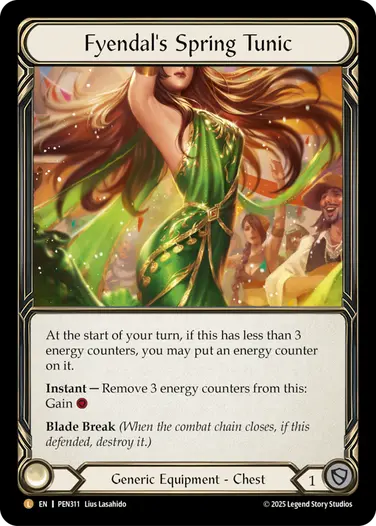
Fyendal’s Spring Tunic
Fyendal’s Spring Tunic is a Flesh and Blood staple for a reason: gaining a resource when you need it most is extremely powerful. In Arakni, we are most often using this resource for one of the following plays:
- Attack with a Chelicera, by far the most common use case.
- Pay for Death Touch, often off of Codex of Frailty.
- Pay for Klaive, Codex of Frailty, Command and Conquer.
There are other niche use cases, such as paying for Klaive or Command on Conquer on an all-red hand, or paying for retrieve, but generally the three plays mentioned above are both the most powerful use-cases, as well as the ones which come up most often.
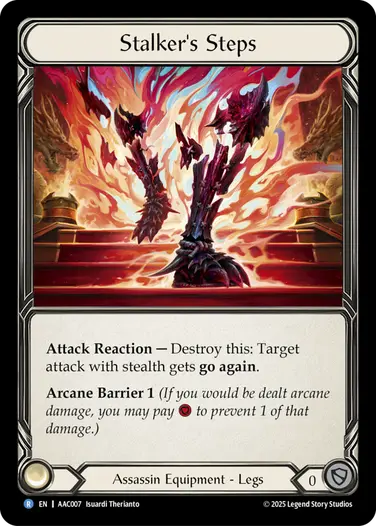
Stalker’s Steps
In addition to being a source of Arcane Barrier, Stalker’s Steps offer unconditional, 0-cost go again to any stealth attack. making Arakni incredibly tricky to defend against. If opponents over-defend on a stealth attack to play around reactions, we can threaten to go around them by giving the attack go again and attacking with something else. Stalker’s Steps is also very useful for starting a turn with a Mark of the Black Widow, rather than risking unmarking them with a Chelicera first. A nice thing about this particular play pattern is that we only need to commit Stalker’s Steps should they fully defend our attack, or we’re flipped into an agent, otherwise Marionette’s ability will give us on-hit go again and allow us to keep Stalker’s Steps around. For all these reasons, Stalker’s Step is usually the go-to choice for any deck where we want to be the aggressor, or any deck that deals arcane damage.
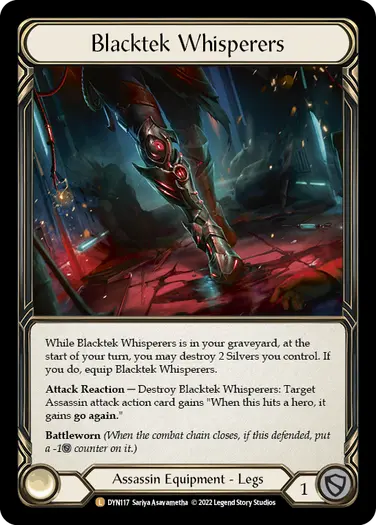
Blacktek Whisperers
Blacktek Whisperers are also a source of go again at reaction speed and can target any Assassin attack action card, but are overall far more restrictive due to them requiring the attack to hit in order to get go again. However, the big advantage to Blacktek Whisperers is the 1 defense with Battleworn. These are generally best against aggressive decks with on-hits like Cindra or other Assassins. While these boots can also technically be repurchased with two Silver, this effect rarely comes up in practice due Leave No Witnesses being our only Silver generator.
Armory Deck Toys
Between the release of Armory Deck: Arakni and the banning of Orb-Weaver Spinneret (Blue + Yellow), Arakni, Marionette decks have had a lot of evolution over the past month. On one hand, Arakni has lost some of the redundancy and consistency they had for Chelicera generation, which means they need to use Mask of Deceit to transform into Arakni, Orb-Weaver more frequently, and they aren’t able to rely on Flick Knives as often to help to close games with chip damage. This ban overall lowers the power in Arakni’s dagger package.
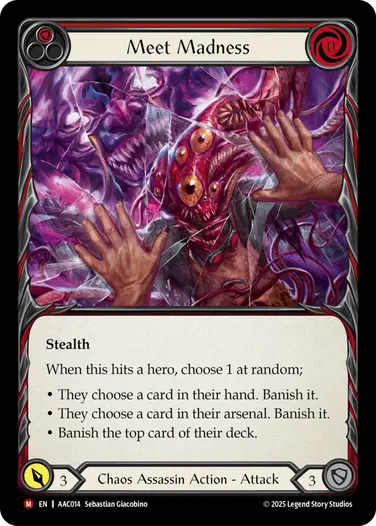
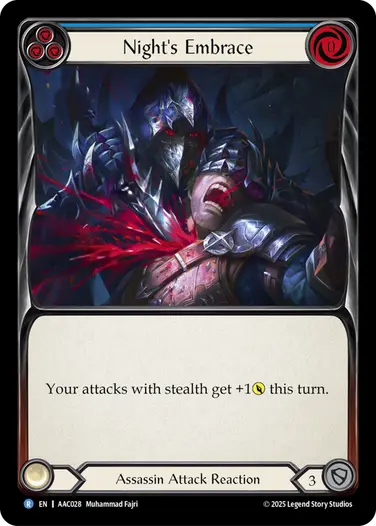
However, thanks to the Armory Deck, Arakni has also gained the ability to build more heavily into stealth attacks. Meet Madness is an excellent disruptive stealth attack against opponents with a card in arsenal, as it will take a relevant card from them 2/3 of the time, while not even requiring them to be marked for the effect. The addition of Night’s Embrace as a blue 3-defense trick which works on stealth attacks (including Chelicera), and Stalker’s Steps as a 0-cost way to give go again to a stealth attack, correctly defending attacks with stealth is now harder than ever. Prey Spotters has also seen some play in some recent decklists with a heavier stealth focus to give a guaranteed mark in certain matchups. However, our deck elects not to play this piece of equipment, not because it isn’t powerful, but because I find it hard to imagine giving up the power that Mask of Deceit offers.
Currently, I believe one of the main decisions Arakni deck builders have to figure out is exactly how heavy on stealth attacks they want to be. We’ve seen a variety of approaches find success across Calling: Seattle, Hong Kong, and Akihabara, but not necessarily much in the way of consensus. In the next section we will discuss the cards that tend to characterize the stealth and dagger packages, as well as their trade-offs they each have.
Stealth Decks vs Dagger Decks
Arakni decks enjoy a lot of flexibility thanks to their ability to build into both stealth and dagger attacks. Current decklists are almost always built into both aspects to some degree, but have to choose to focus on one package more than the other due to deck space. Most decklists tend to play at least a few stealth attacks to help leverage Marionette’s hero ability. Mark of the Black Widow and Meet Madness are cornerstones of the deck’s red stealth threats that offer disruption, while Assassin staples in Codex of Frailty and Leave no Witnesses help supplement Marionette’s disruptive suite. Meanwhile, Kiss of Death, Stains of the Redback, and Orb-Weaver Spinneret help bridge the gap between the stealth and dagger halves of the deck.
On the dagger side of things, decks generally choose to play the most efficient dagger pumps like Savor Bloodshed, Tarantula Toxin, Up Sticks and Run, and Cut from the Same Cloth. The big draw to the dagger buffs is that they are much more efficient than stealth attacks/buffs, frequently offering a 0-for-4 rate, and in the case of Savor Bloodshed and Tarantula Toxin, even better than that. Dagger attacks are important for pushing raw damage, and are a great supplement to the disruptive stealth attacks. Additionally, because many of these cards are attack reactions, it makes defending decisions quite challenging for your opponent. Suppose you want to defend with exactly two cards and there is a dagger attack coming in – do you defend the dagger swing to ensure that you get to convert your hand on defense, expecting their hand to be flush with reactions? Or do you hold cards back to defend the potential disruptive stealth follow up? Guessing wrong in either direction can often be disastrous, and tends to allow Arakni to accrue extra value over the course of a game by forcing opponents to guess and make inefficient defending decisions. For these reasons, having a combination of both dagger pumps and stealth attacks are very complimentary.
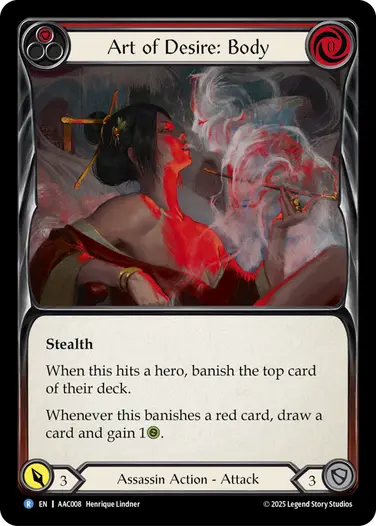
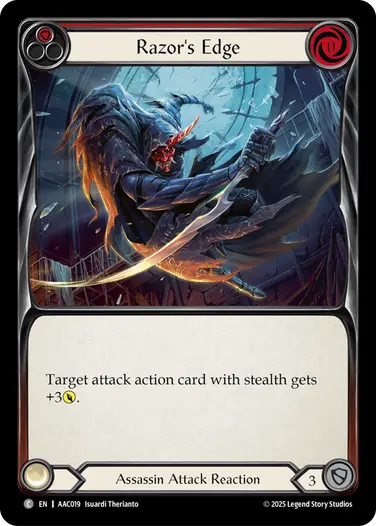
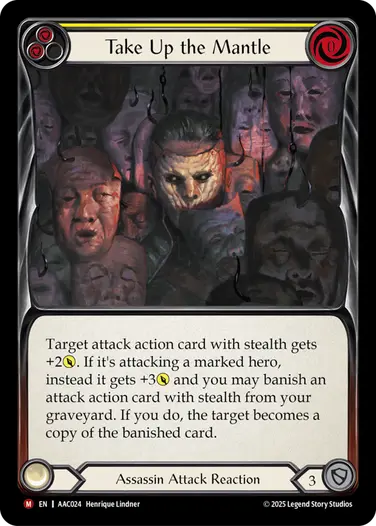
Generally, stealth-heavy decks excel into decks that dislike defending, like Oscilio, Cindra, or Dash, due to their ability to present powerful on-hits like Meet Madness, Mark of the Black Widow, and Art of Desire: Body. If these decks wish to build even more heavily into stealth attacks, they can also include some additional attack reactions for their stealth cards like Razor’s Edge, Night’s Embrace, or even Take Up the Mantle to keep the opponent guessing and to help recur their most potent stealth threats.
Alternatively, decks can be built to have more of a dagger and evasive focus, with cards like Scar Tissue, To the Point, and Cut from the Same Cloth. These cards have the downside of 2-defense against aggressive decks with on-hits, but offer excellent rate and evasion to help Arakni go over the top of defensive decks like Verdance, Kassai, and Pleiades. Defensive decks can really struggle to mitigate Arakni’s damage, especially if they draw hands without defense reactions, as Arakni can swing two daggers each turn and react on whichever dagger goes undefended. This package of cards is nicely supplemented by Sigil of Solace, which can bluff a reaction and cause opponents to defend incorrectly.
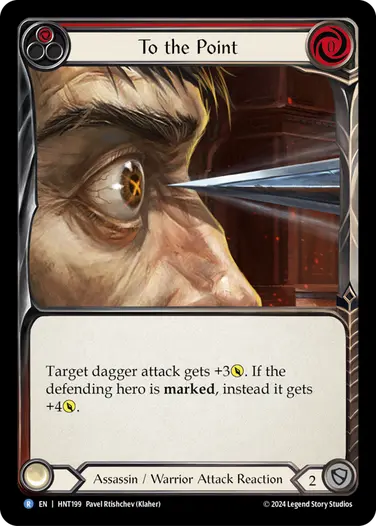
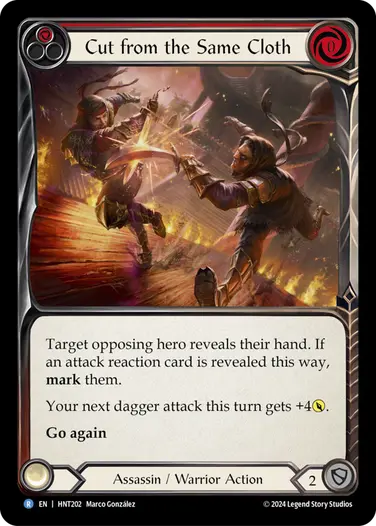
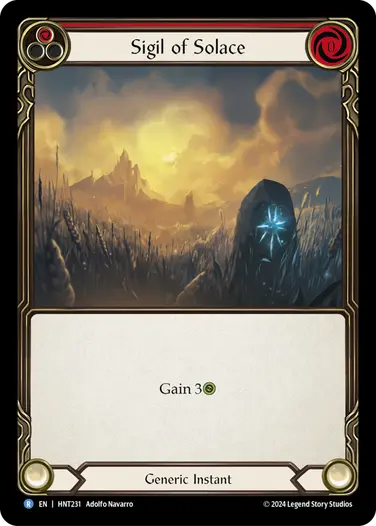
The decklist showcased in this article looks to somewhat split the difference, with a few additional stealth threats and Take Up the Mantle for aggressive decks, while still maintaining most of the dagger package. This comes at the cost of less space for matchup-specific tech cards like Amulet of Echoes for Oscilio, or 7-power poppers for Prism, and a less robust stealth package overall than some other decks. Arakni decks tend to adjust their emphasis on either stealth attacks or dagger attacks depending on the expected metagame and pilot preferences. The deck in this article is a good starting point, but I encourage you to experiment with building the deck in different ways. One of the greatest advantages of playing Arakni is having the ability to adjust your deck to target whatever metagame you expect to see – being overly rigid on decklists fails to capitalize on this strength.
Setting Traps
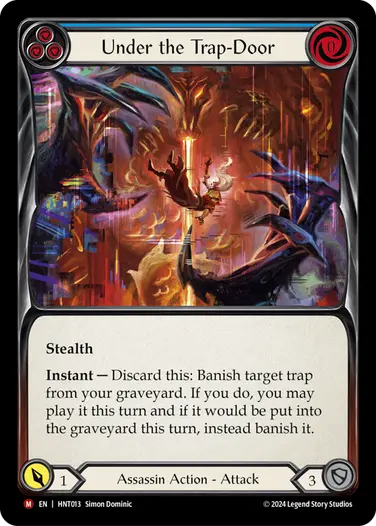
Due to Arakni’s hero ability transforming them into random Agents of Chaos, having at least a few traps become a necessary part of the deck to make Trap-Door a useful agent. In my experience, decks should generally run at least 2 traps, but in our case, we choose to run up to 4 depending on the matchup to help facilitate Under the Trap-Door as a powerful blue which can essentially double as a red, so long as we have a trap available in our graveyard. Traps generally have situational effects, and like many other card choices in Arakni, selecting the correct suite of traps to spring on your opponents is a crucial part of finding success with the hero. In this section we will discuss some common options for traps and where each of them excels.
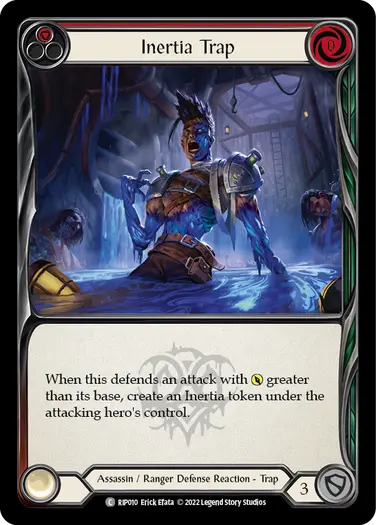
In the current metagame, Inertia Trap is an incredibly potent threat, as almost every hero in the metagame will threaten attacking with cards that have power higher than their base, and if the Inertia forces your opponent to lose a card they planned to arsenal, it’s an incredible value swing. I think that having access to at least one Inertia Trap will almost always be correct, as being able to opportunistically search it off of Mask of Deceit when the opponent is marked is extremely powerful. Generally, the best time to make this play is when they are out of action points, they attack with something that has power greater than its base, and still have a card in hand. Be aware however, that some decks may have tricks up their sleeve to help mitigate this, such as Sigil of Solace or Fruits of the Forest. Due to the ubiquity of decks which trigger Inertia Trap, we are on two copies to help us see it more often and open up Under the Trap-Door.
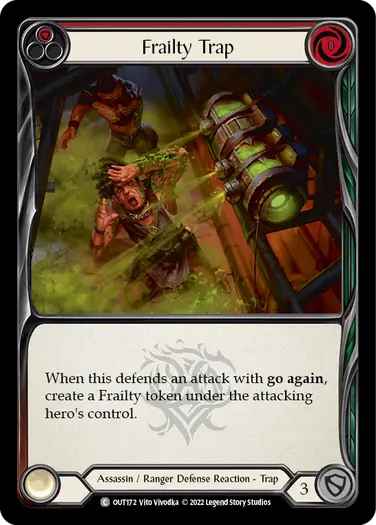
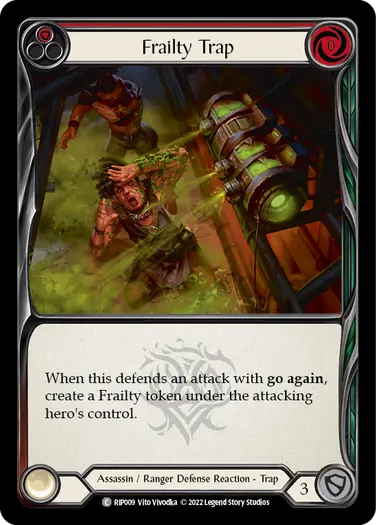
Frailty Trap is another situational trap which works best against decks with go again that also swing their weapon(s). Frailty Trap is most useful in the mirror and against Kassai, where it can often stop 5 damage and sometimes even more, but it can still have applications against some other decks. Depending on the expected metagame, Frailty Trap is easily one of the traps that can be removed for the deck in favor of something else, but currently I believe it to be quite strong as a 1-of. Once again, having one copy opens us up to multiples, thanks to Under the Trap-Door.
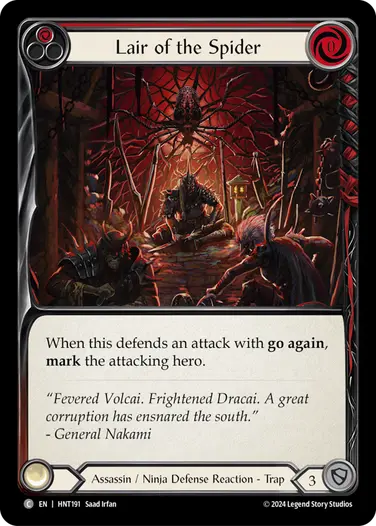
Lair of the Spider and Den of the Spider are also great options for traps, as they help us keep our opponent marked. These cards generally aren’t the most exciting to search off of Arakni, Trap-Door, as opponents will generally already be marked, but they are powerful when drawn and the opponent is unmarked. Marking usually directly translates into at least 1 point of value thanks to Marionette’s +1 power ability, but can be even more if the opponent stays marked across multiple attacks or allows Arakni to flip into a beneficial agent. Additionally, having access to these marking traps helps give Under the Trap-Door even more flexibility.
There are many other traps in the Assassin card pool that could be beneficial in the right metagame, so I highly recommend getting familiar with all of the traps available, and adjusting according to the meta forces you see.
Sideboarding
Our decklist consists of a 51-card core that we always play, with 23 cards in the inventory. Arakni’s sideboard is quite flexible and toolbox-y, but I have grouped cards into rough categories and described where each of these cards excel. This is not a definitive sideboard guide so much as a way for you to understand what roles each of the cards play.
The 23 card inventory:
- 3x Art of Desire: Body
- 3x To the Point
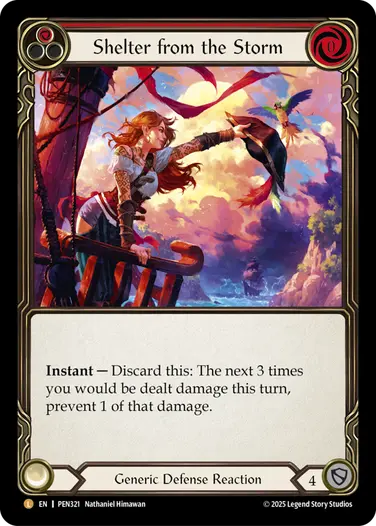
- 3x Shelter from the Storm
- 2x Take Up the Mantle
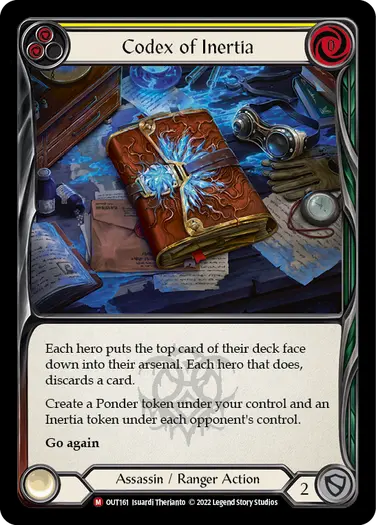
- 2x Codex of Inertia
- 1x Death Touch
- 1x Frailty Trap
- 1x Inertia Trap
- 1x Lair of the Spider
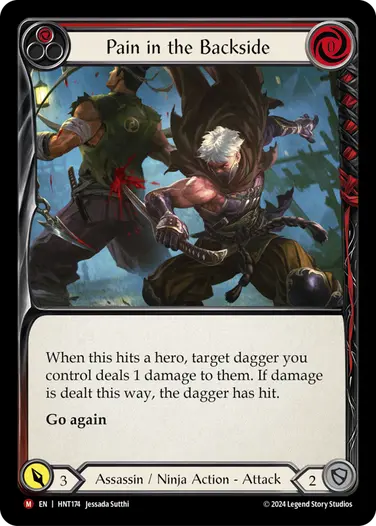
- 1x Pain in the Backside
- 1x Pick Up the Point
- 1x Sigil of Solace
- 1x Wage Gold
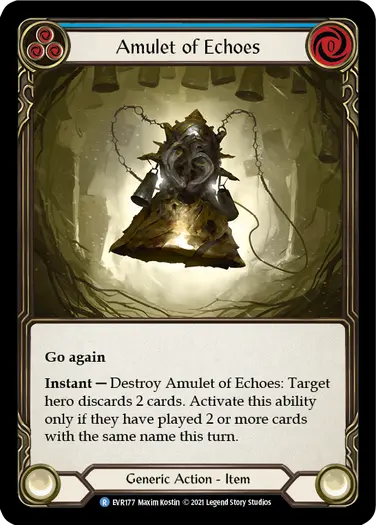
- 1x Amulet of Echoes
- 1x Blacktek Whisperers
Good vs Fast Decks
- 3x Art of Desire: Body – Good against aggressive decks with high red density, like Oscilio and Cindra
- 3x Shelter from the Storm – Our main defense reaction of choice, good when we want to be defensive, against decks like Ninjas, Kassai, Dash, or the mirror.
- 2x Take Up the Mantle
- 1 Blacktek Whisperers – Much more conditional go again than Stalker’s Steps and is mostly played for its defense. Strong against Dash, Cindra, and the mirror.
Good vs Slow Decks
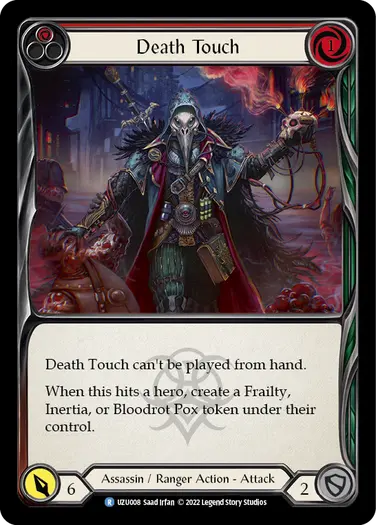
- 1x Death Touch – Useful in slow matchups where you have time to arsenal it, then later use it as a Codex of Frailty target. Discarding it to an agent ability is also a great way to get this into your graveyard.
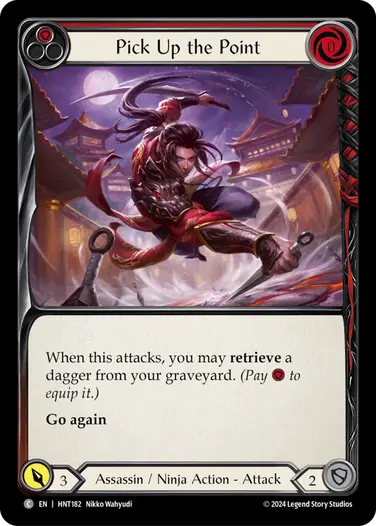
- 1x Pick Up the Point – Good for longer matchups like Earth heroes or fatigue decks, since it helps us pressure and also gives us access to more Klaives.
- 3x To the Point – Good when we want to be aggressive.
- 2x Codex of Inertia – Good against decks with lots of cards they do not want to arsenal, especially ones with lots of weak blues. Also helpful for removing defending cards from the opponent’s hand. Codex of Inertia is strong against Earth heroes, Gravy Bones, Guardians, and Oscilio (so they can’t sit on Gone in a Flash).
Traps
You always want to bring in at least one trap, but feel free to play more than that if defense reactions are good in the matchup.
- 1x Frailty Trap – Good against decks with go again who attack with their weapon(s) frequently, especially dual wielders like Kassai, Fang, or the mirror.
- 1x Inertia Trap – Good against decks who have attacks that gain power and are sometimes constrained on action points, like Earth heroes, Warriors, Oscilio, and the mirror.
- 1x Lair of the Spider – Good against decks with lots of go again, like Ninjas, Mechanologists, Warriors, and the mirror.
Flexible Cards
- 1x Pain in the Backside – Solid include against both aggressive and defensive decks, just avoid playing it when 2-defense cards are too punishing, like against Cindra or Dash.
- 1x Sigil of Solace – Good into most decks so long as the non-defense isn’t too punishing, like against Cindra or Dash.
Silver Bullets
You may wish to customize these specific slots depending on what type of metagame you expect to face.
- 1x Amulet of Echoes – Oscilio tech. Should usually be saved for their Gone in a Flash + Lightning Greaves turn. A second one is quite strong if you expect a lot of Oscilio.
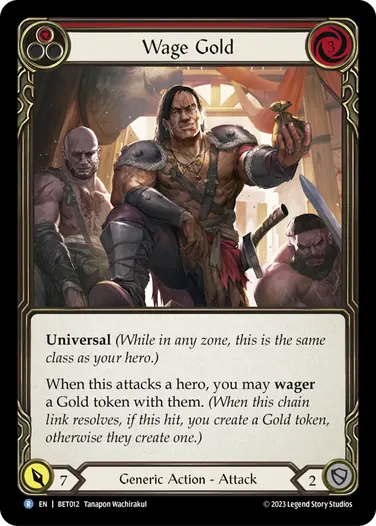
- 1x Wage Gold – Popper for Prism that can also be discarded to agent abilities. You could also play Look Tuff if you prefer the 3-defense and insulation from Celestial Reprimand-like effects.
Playing Against Arakni
When playing against Arakni, it’s always best to be aware of their possible follow ups and make sure you have plans to cover as many of those scenarios as possible. In general, we usually don’t want to defend Klaive, and want to avoid defending Kiss of Death or Chelicera when possible, due to the threat of Tarantula Toxin (so long as we aren’t at risk of dying). Instead, we should look to defend either on pumped Klaive swings or more frequently on the disruptive finishers.
Generally, aggressive decks will almost exclusively look to defend the disruptive on-hits and almost entirely ignore the dagger attacks, as their hands convert very well. As an aggressive deck, I like thinking about which on-hits I’m “allowed” to fight over. If there are no cards in hand when a disruptive finisher is presented, you can simply defend if it improves the value of the hand, or consider if it’s better to just simply get unmarked and accept the value from the on-hit. When Arakni has cards in hand though, especially if the attack has stealth, it becomes harder to want to fight over the on-hit, because if we defend and they have the trick we’ve likely committed a card, equipment, and a second card. The more cards in hand they have, the more dangerous trying to block the on-hit is. The big exception, of course, is if we have defense reactions, as it allows us to comfortably defend their trick should they have it, or arsenal the defensive tool for a later turn should they choose to arsenal. Multiple defense reactions can allow us to play around multiple tricks and are a big reason why they are so valuable in the matchup.
Another thing to consider as an aggressive deck is Arakni actually runs a lot of 2-defense cards, meaning they generally don’t like to defend much themselves. As a result, sending your own on-hits can actually be quite punishing for them and is another good way to keep them from forcing you into trouble. Something as simple as sending a Snatch or presenting 3 chain links with Mask of Momentum every turn goes along way against Arakni, as they are also an aggro deck that wants to keep their cards.
However, defending as a slow deck is a very different story, because often decks like Kassai, Verdance, and Pleiades need to defend with some cards in order to convert their hands efficiently. I would recommend first evaluating how many cards your hand wants to defend with to convert efficiently, regardless of your opponent’s plays. Then, consider how many times you think they might attack, and make sure you don’t miss your opportunity to defend with cards you can’t convert. More cards generally means more attacks, or at the very least, more reactions. If we need to defend with multiple cards, stopping a Klaive with a single card can suddenly become acceptable. Additionally, while the dual stealth / dagger attacks can be punishing to defend if they do have Tarantula Toxin, missing your opportunity to defend with cards you need to defend with can be worse than running into a trick they may or may not have. A defense for 6 that gets devalued to 3 is still better than having two cards you can’t use at all. Defending Chelicera and Kiss of Death can become increasingly profitable against small hands where the chance of getting a better opportunity to defend are low, or they are running low on the number of Tarantula Toxins they have left in the deck.
The difficulty with defending against Arakni, is not only that you can miss your opportunity to defend if you aren’t careful, but also that bdefending too early means you can sometimes get punished by a disruptive finisher or a Codex of Frailty. In general, I want to make sure I always account for the possible follows ups and have a way to cover them that still allows me to play an efficient turn. Equipment is often a great contingency plan and best saved for these scenarios. This effectively means you can ensure you get your defenses in when they matter and then use your equipment to mitigate the disruption. Having access to defense reactions in arsenal is also a great way to give you strong answers to their potential disruptive on-hits.
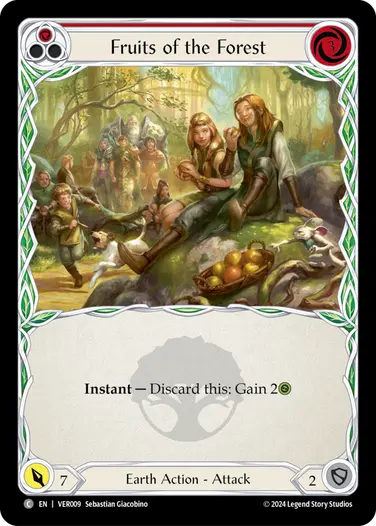
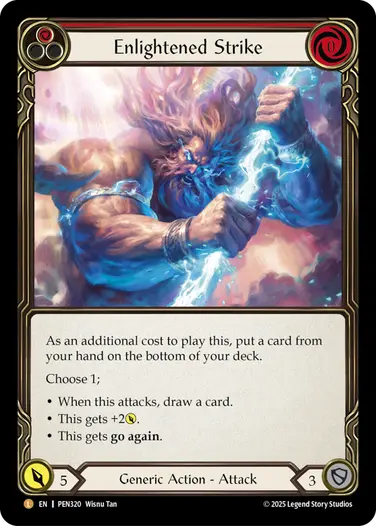
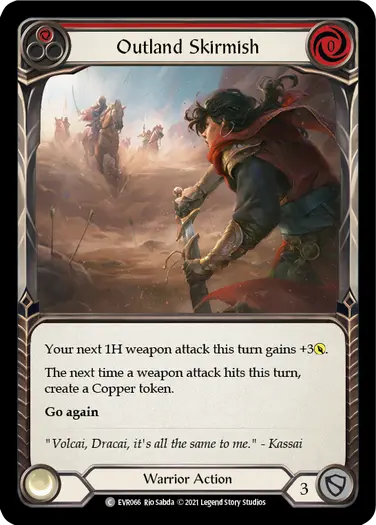
Since there is always a tension in making sure we get to defend with the cards we want to, and stopping their disruption, cards which are modal and can attack or defend for similar amounts of value are very useful. Hands that have access to effects like Fruits of the Forest, Enlightened Strike, Runerager Swarm, or Outland Skirmish can easily hold back additional cards to cover on-hits because you are more or less just as happy to attack with the card as you are to defend with it. Adding cards like these that give your hands more flexibility in how they can convert can greatly improve your decks ability to combat Arakni.
If you find Marionette’s range of options overwhelming and near impossible to predict, I would highly recommend getting in the habit of seeing what they defend with and what they pitch. Understanding if there are cards they can’t convert can help inform what kind of follow ups you might see. For example, if you are an aggressive deck and see them defend with a Meet Madness, then start their turn with daggers, you can infer that they likely have some other piece of disruption, or perhaps even Codex of Frailty as a follow up. These types of reads are especially meaningful when they are just defending for value and not stopping any on-hits. When playing against Assassin, I frequently find myself asking why they would defend with the cards that they did, and what kind of follow-up would make that decision make sense.
Inertia Trap is also an incredibly powerful tool that Arakni has access to that you should be aware of from the other side of the table. In general, it’s good practice to try and figure out how often you take lines where you’re forced to arsenal a card while also presenting an attack that has power higher than its base. This becomes especially true if you’re marked and they have Mask of Deceit available, since they can transform to Trap-Door at will, or if there is an Inertia Trap in their graveyard, as they can discard an Under the Trap-Door to replay it. In addition to avoiding this scenario, you can sometimes try to trick your opponent into using their Mask of Deceit by intentionally holding a card and attacking with something like Cadaverous Tilling when the card you are holding is actually Fruits of the Forest, Sigil of Solace, or something else that can be played for full value as an instant.
Marking is a big part of Arakni’s value proposition, so trying to stay unmarked when you can will help you get a leg up. It’s definitely not always worth fighting over, but finding opportunities to take a hit to get unmarked, defending Pain in the Backside, or occasionally defending a Klaive with a 2-defense Temper equipment can be very worthwhile.
Arakni can be a very challenging deck to play against, and if you find their mix-ups and bag of tricks are constantly making you guess wrong, I would highly recommend playing some games as Arakni to learn what they want to do and what some of their play patterns are. In Flesh and Blood, understanding both sides of the table is incredibly important, especially when playing against tricky classes with reactions like Assassin.
Arakni’s place in the meta
I’m currently a big believer in Arakni, not only because of their recent strong Calling finishes, but also because what they do is generically powerful and they have a very strong matchup spread. Arakni generally thrives into other aggressive decks that don’t like defending, as they tend to have more disruption and on-hits than the other decks do, including Cindra, Oscilio, and Dash. However, Arakni also has plenty of tools to push through the defenses of the likes of Verdance and Kassai.
The main predator that Arakni faces in the current Classic Constructed metagame is Gravy Bones. Gravy Bones is challenging due to many of Arakni’s cards, including Marionette’s hero ability and Chelicerae, caring about the “defending hero”, meaning we lack go again when attacking allies. Additionally, Chum, Friendly First Mate tends to be a very hard ally for Arakni to clear efficiently, as most of our cards are +3 or +4 power and apply to our daggers, meaning numbers like 4, 5, 8, or 9 are much more common to send than 6. Should Gravy Bones see a massive uptick in how much he is played, Arakni might become a less attractive deck. However, in the current metagame I believe every deck has some bad matchups, so I wouldn’t worry too much unless Gravy Bones representation goes through the roof.
Florian was previously one of Arakni’s main predators, and his retirement is a huge benefit for Arakni, in theory. But heroes leaving can often have ripple effects, so it’s hard to fully predict exactly which other heroes will rise, and if new predators to Arakni will appear.